
Top Immune‑Supporting Supplements for People with MS (Without Overstimulation)
Introduction
When living with Multiple Sclerosis (MS), balancing the immune system is both essential and challenging. Overreactive immunity injures nerve myelin, while aggressive suppression can dangerously lower defenses. Luckily, a few well‑researched, gentle supplements can support immune health—helping to reduce inflammation and enhance resilience without overstimulation. In this guide, we explain how to choose these supplements, based on current science and real-world experience.
Looking for supplements for people with MS? Click here.
✅ Why Immune Support in MS Matters
MS is a chronic, autoimmune condition where immune cells target the central nervous system, leading to inflammation and myelin damage. Modern disease‑modifying therapies (DMTs) reduce this activity effectively, but they can also carry side effects—especially when the immune system is pushed too low.
Safe immune support operates in the gray area: calming excessive inflammation, supporting immune balance, and avoiding broad‑spectrum immune suppression.
These supplements may help:
- Reduce relapse likelihood and lesion development
- Support fatigue reduction and nerve protection
- Improve mood and quality of life
- Complement—but not replace—prescribed MS medications
🧬 How Gentle Immune Supports Work
Effective, non‑overstimulating supplements work through several mechanisms:
- Anti‑inflammatory effects: Lower cytokines like TNF‑α, IFN‑γ, IL‑2, IL‑6
- T‑cell modulation: Shift the balance from Th1/Th17 to Th2/Treg responses
- Antioxidant and mitochondrial protection: Reduce oxidative stress in CNS
- Gut–immune support: Enhance microbiome to dampen systemic inflammation
Let’s take a closer look at the best options.
🌿 1. Vitamin D₃

Why It Helps
Vitamin D plays a critical role in immune regulation. Deficiency has been linked to increased relapse rates and progression in MS.
- Promotes T‑regulatory cells and IL‑10 (anti‑inflammatory)
- Inhibits Th1 and Th17 pathways
- Associated with lower disease activity in observational and clinical studies
What Research Shows
Higher serum levels (> 40 ng/mL) correlate with:
- Fewer relapses
- Reduced new lesion formation
- Slower disability progression
Supplementation of 2,000–5,000 IU/day is commonly used—adjusted by blood test.
🐟 2. Omega‑3 Fatty Acids (EPA + DHA)
Why It Helps
- Omega‑3s are anti‑inflammatory fats that support neuroprotection and immune balance.
- Inhibit NF‑κB, reducing pro‑inflammatory cytokines
- Support production of anti-inflammatory mediators called resolvins
- Decrease Th17 and boost T‑reg production
Evidence
Clinical trials show mixed but positive signals—reduced MRI lesions and improved relapse rates when used alongside DMTs.
Dosage: 1–3 g EPA+DHA daily, preferably in triglyceride form for best absorption.
🧁 3. Probiotics
Why It Helps
The gut microbiome powerfully shapes immune function in MS.
- Supports tight junctions in the gut lining, reducing “leaky gut”
- Encourages anti-inflammatory short-chain fatty acid producer bacteria
- Controls systemic inflammation and modulates immune response
Key Strains
- Lactobacillus rhamnosus
- Bifidobacterium longum
- Lactobacillus plantarum
Studies in MS and other autoimmune conditions show symptom improvement with few side effects.
🍄 4. Curcumin (Turmeric Extract)
Why It Helps
Curcumin is a potent anti-inflammatory and antioxidant that crosses the blood–brain barrier.
- Inhibits NF‑κB and COX-2
- Lowers TNF‑α, IL‑6, IL‑1β
- Potential neuroprotective effects and improved fatigue in small trials
Dose and Form
500–1,000 mg/day of bioavailable extract (liposomal or with piperine).
💊 5. Vitamin B Complex with Methylated B₁₂ (Methylcobalamin)

Why It Helps
- B vitamins maintain methylation and nerve health.
- B12 deficiency worsens fatigue, neuropathy, and neurological damage
- Folate and B₆ support myelin repair and lower homocysteine
Form and Dose
Look for full B complex with methylcobalamin and methylfolate; B₁₂ >1,000 μg daily for neuro support.
🧠 6. Lion’s Mane Mushroom
Why It Helps
Lion’s Mane supports nerve growth factor (NGF) production and promotes cognitive clarity.
- Encourages nerve repair and remyelination
- May support mood and brain fog, common issues in MS
Form and Dose
500–1,500 mg/day of dual-extract.
⚡ 7. Alpha-Lipoic Acid (ALA)
Why It Helps
ALA protects mitochondria and reduces oxidative damage—beneficial in MS neuroinflammation.
- Lowers brain lesion development in progressive MS
- Supports Th17 suppression and nerve protection
Dose
600–1,200 mg/day, divided with meals.
🛡️ 8. N-Acetyl Cysteine (NAC)
Why It Helps
NAC supports glutathione, the body’s top antioxidant, by boosting detox and reducing oxidative stress.
- Improves anti-oxidative capacity in CNS
- May calm microglial overactivation
Dosage: 600–1,200 mg/day, split AM/PM.
🌱 9. Magnesium (Magnesium Glycinate)
Why It Helps
Magnesium is involved in 300+ biochemical reactions—including immune modulation, nerve health, and muscle integrity.
- Regulates inflammation and stress
- Enhances sleep and nerve transmission stability
Dose: 200–400 mg glycinate at bedtime; safe and gentle.
✅ 10. Resveratrol
Why It Helps
Resveratrol is a polyphenol noted for its anti-inflammatory and neuroprotective effects.
- Activates sirtuin pathway (anti-aging/anti-inflammatory)
- Supports Th17 downregulation
Dose: 100–250 mg/day with dinner, preferably a trans-resveratrol extract.
Looking for supplements for people with MS? Click here.
🚫 Immune Stimulants to Limit or Avoid
Avoid supplements that can over-activate the immune system, particularly in autoimmune conditions:
- Echinacea, high-dose elderberry, ginseng
- Large doses of zinc or vitamin C (>1–2 g/day)
- Mushroom blends with immune-stimulant mushrooms, including reishi or cordyceps (used with caution)
📋 Sample Daily Stack for Balanced Immune Support
| Time | Supplements |
|---|---|
| Morning | Vitamin D3 + Omega-3 + B-Complex + NAC |
| Midday | Probiotic + Curcumin |
| Evening | Magnesium glycinate + Lion’s Mane + Resveratrol |
| With meals | Alpha-Lipoic Acid split AM/PM |
🧠 Real‑Life Reports
“I added fish oil and vitamin D, my relapses slowed down—without feeling immune‑overstimulated.” – Karen, RRMS
“Curcumin reduced my fatigue and improved walking speed, but I didn’t feel like my immune system got suppressed.” – Tom, SPMS
⚠️ Safety & Interactions: What to Know
- Always inform your neurologist when adding supplements—some (like high-dose vitamin D, curcumin, omega-3) may affect immune markers or blood thinning.
- Avoid immune stimulants if on interferon or other potent immunomodulators.
- Consider lab monitoring for vitamin D (>100 ng/mL), copper in long-term zinc use, B12/methylation markers, and lipid profiles with omega‑3.
🧭 Final Thoughts: Smart Immune Support ≠ Immune Suppression
Effective immune support in MS isn’t about turning immunity off—it’s about creating balance:
- Target early inflammation and support nerve tissue
- Use supplements with known mechanisms and evidence
- Track changes in symptoms and lab markers
- Avoid overstimulation and unsafe combinations
By building your stack thoughtfully and consulting your care team, you can work with your immune system rather than against it—and support MS wellness in a sustainable way.
Looking for supplements for people with MS? Click here.
🔬 References
Ascherio A, Munger KL. Epidemiology of vitamin D and MS. JAMA Neurol. 2014.
Shinto L, et al. Omega‑3 FA for MS: A randomized trial. Eur J Neurol. 2005.
Tankou SK, et al. Probiotic bacteria induce regulatory immune response in MS. Autoimmun Rev. 2020.
Dolati S, et al. Curcumin supplementation in MS. Neuroimmunomodulation. 2018.
Zhang Z, et al. Lion’s Mane and NGF production. Int J Mol Sci. 2020.
Spain R, et al. ALA in progressive MS: RCT results. Neurol Neuroimmunol Neuroinflamm. 2017.
Office of Dietary Supplements – NIH. Vitamin D fact sheet.
Office of Dietary Supplements – NIH. Omega-3 fact sheet.
Related Posts
-
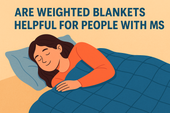
Are Weighted Blankets Helpful for People With MS? What to Know Before Trying One
Weighted blankets are often recommended for anxiety and sleep — but are they helpful for people with Multiple Sclerosis? This guide explores when weighted blankets may support relaxation, when they can worsen MS symptoms like heat sensitivity or spasticity, and what to consider before trying one.
-
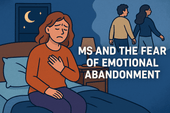
MS and the Fear of Emotional Abandonment
The fear of emotional abandonment is common for people with MS. This article explores why it happens, how it impacts your relationships, and how to create emotional safety and healing.
-
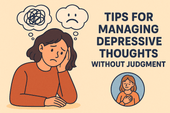
Tips for Managing Depressive Thoughts Without Judgment
Learn how to meet depressive thoughts with compassion, not shame. These gentle, research-backed tools help you manage low moods without self-judgment.
