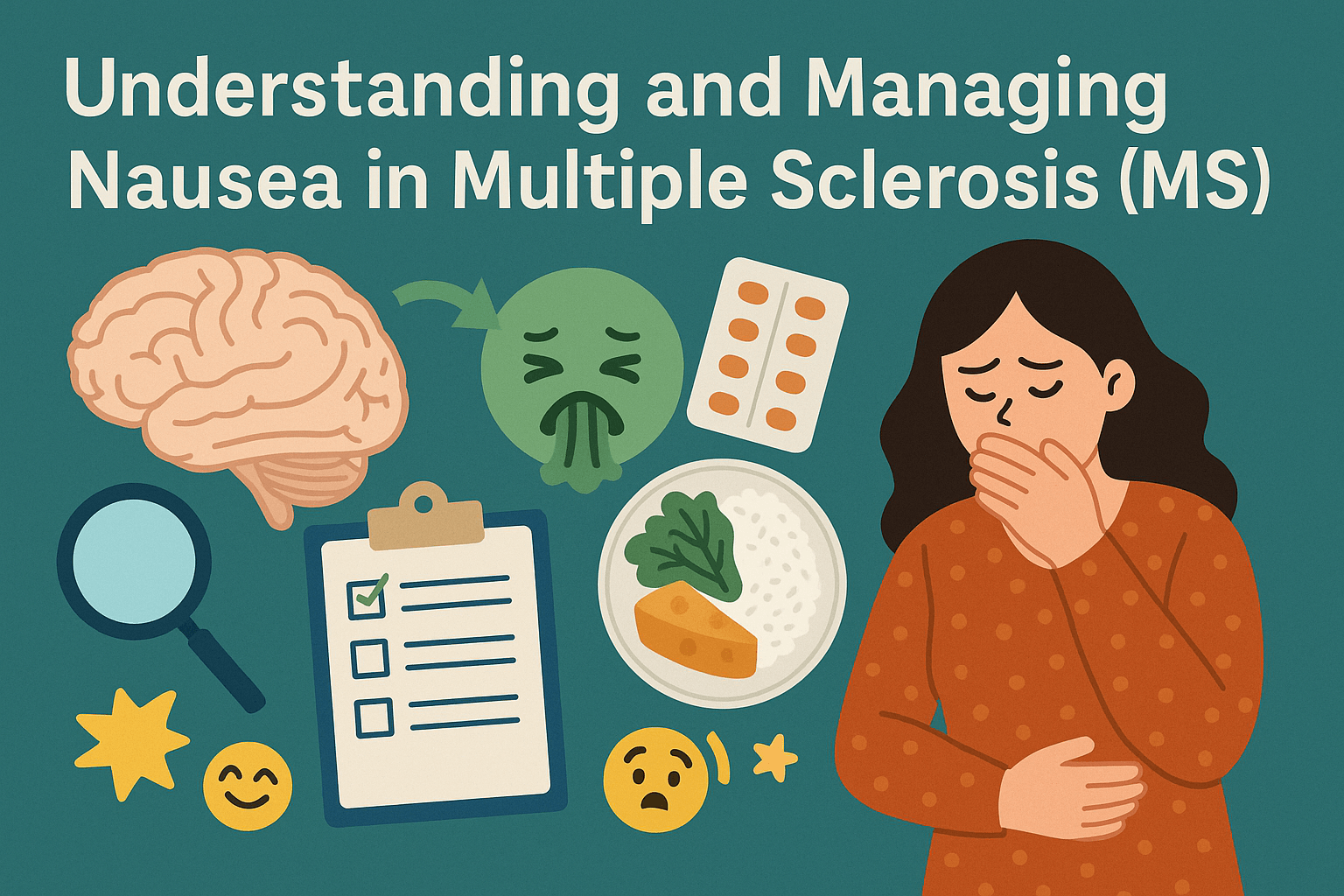
💡 Introduction
Multiple Sclerosis (MS) is a chronic illness where the immune system mistakenly activates against the central nervous system—effectively messing up the signals travelling through the nervous system from brain to body. Fatigue, weakness and brain fog are all well-known symptoms of MS. But what about that stomach-turning nausea? 🤢
Nausea may not be the first symptoms that come to mind when you think of MS, but it can still disrupt lives just as much. Whether you feel nauseous due to medications, the heat or stress—knowing why nausea happens and how to better manage can mean you recover more good days 💪
🧠 What Causes Nausea in MS?
Brainstem Lesions
Lesions in MS can be in many areas of the brain. Lesions in the brainstem can affect signals related to balance and digestion; this can result in nausea or even vertigo. 🎢
Medication Side Effects
Some disease modifying therapies (DMTs), steroid medications, and even some pain medications have nausea listed as a known side effect. Always read the label and check with your doctor. 💊
Stress & Fatigue
Not sleeping well or feeling anxious? Stress and fatigue can bring about nausea in many chronic conditions, including MS. 😴😰
Heat Sensitivity
MS and hot weather just don't go together. Increasing temperatures can ignite pseudo-exacerbations, often with nausea ☀️😓
Other Health Conditions
GI issues, migraines, and balance disorders often show up in people with MS—and each can bring its own nausea punch. 🌀
📝 Track It to Tackle It: Start Your Nausea Diary
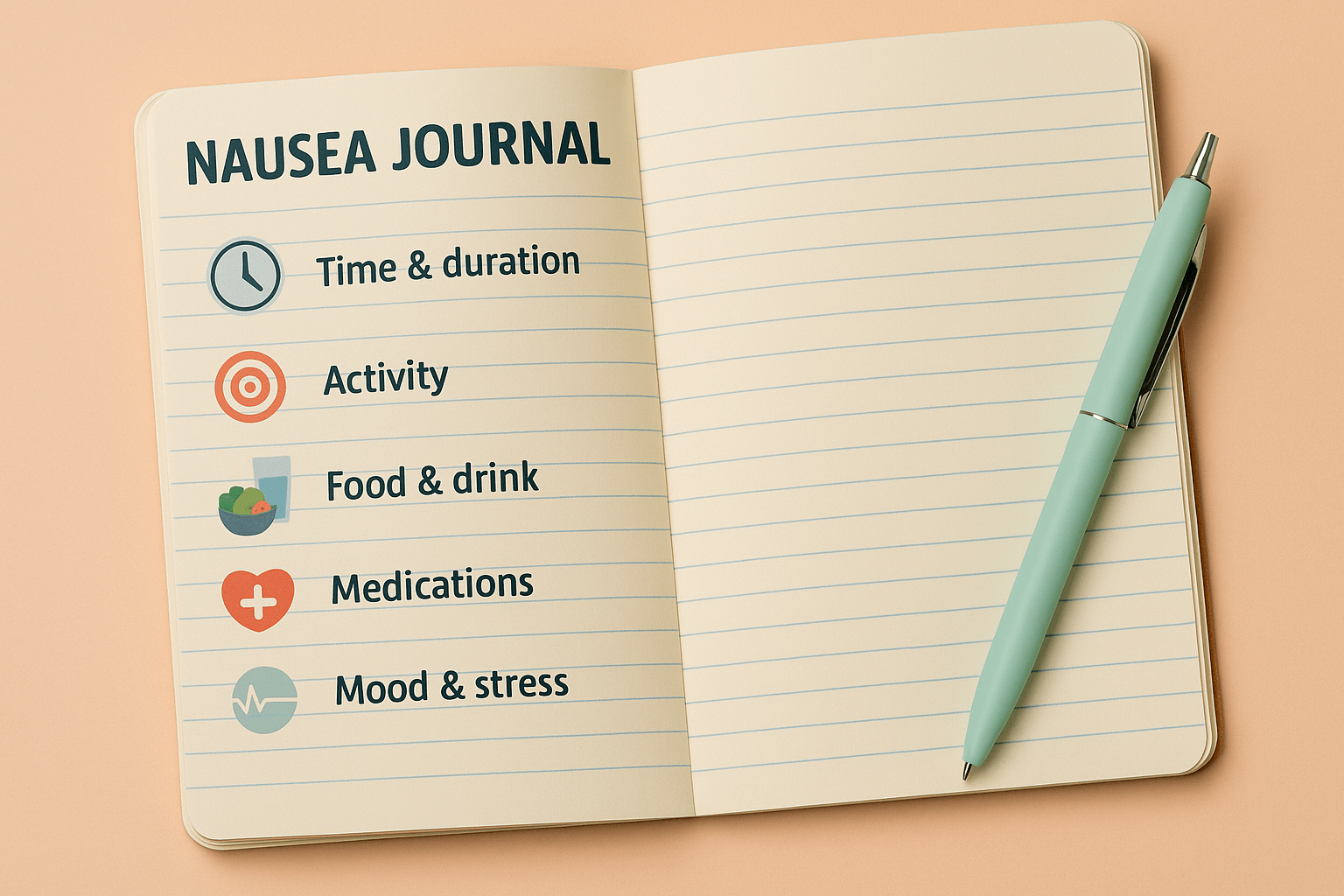
Keeping a simple nausea journal can help you pin down your triggers. Here’s how to start:
- ⏰ Time & Duration: When did it start? How long did it last?
- 🍴 What You Ate: Jot down meals, snacks, and drinks.
- 💊 Meds Check: Note timing and type of medication.
- 😰 Mood & Sleep: Stress levels and rest quality matter!
Tip: It is important to keep that record whatever route you take, whether you use a notes app, or if you write it in a notebook, whichever is easier for you. You should start to see some trends after 2-4 weeks. Perhaps smoothies help/don't help. Maybe evening meals don't agree with you? Use that knowledge to make changes!
🚨 When Should You Call Your Doctor?
Not all nausea is created equal. Watch out for:
- 📉 Posture Woes: Worse when standing? Could be a red flag for neurological or blood pressure issues.
- 🆕 After New Meds: Nausea kicking in after starting something new? Alert your doc—it could be a reaction.
- ⏳ Persistent Queasiness: If it's not going away after a few days or is worsening, get it checked.
- 🤮 Vomiting & Dehydration: Can’t keep food or fluids down? Signs like dry mouth, dark urine, or dizziness mean it’s time to seek care.
- 🫁 Chest Pain or Breathing Trouble: With nausea? Don’t wait—this could be cardiac. Call emergency services.
Always better to ask than to guess. Your care team is there to help!
🩻 Diagnosing Nausea in MS: What to Expect
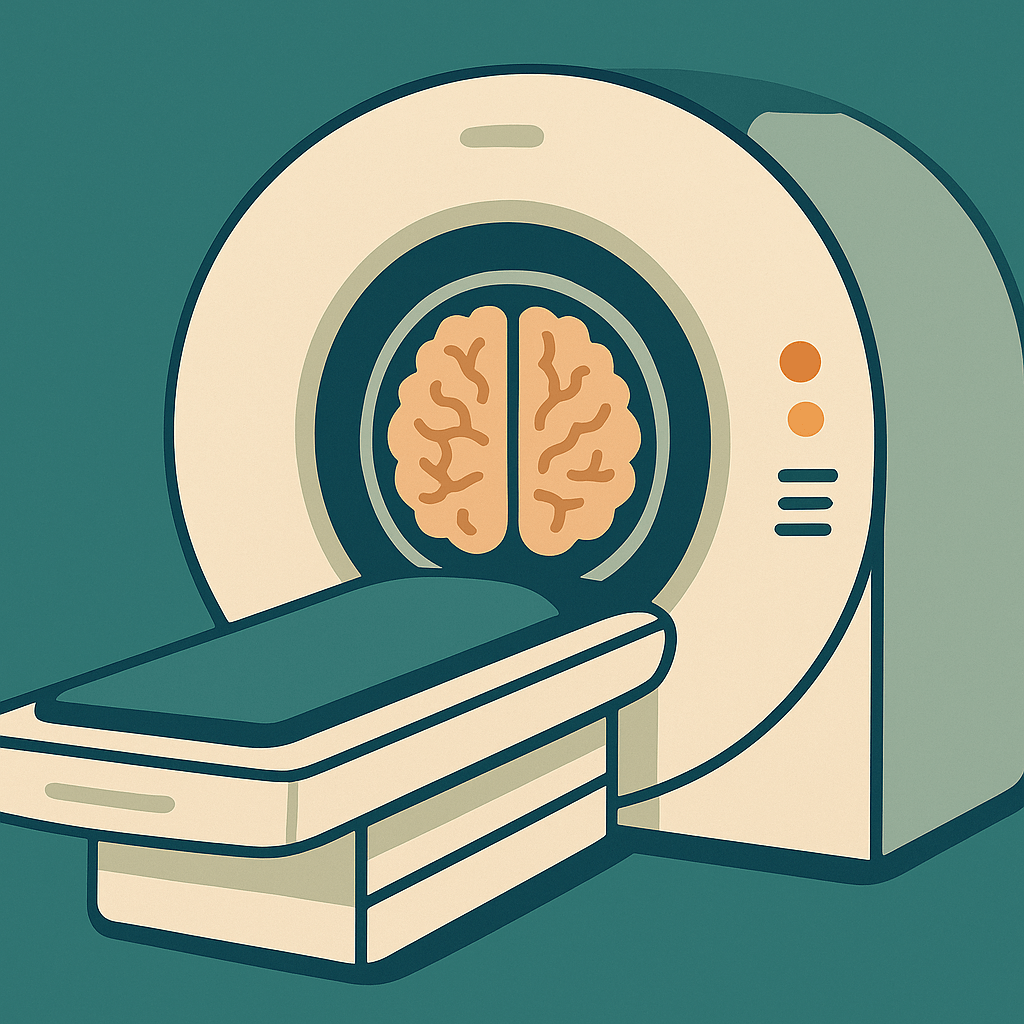
Your doctor might recommend:
- 📋 Medical History Review: They'll ask about when it started, what makes it better or worse, and check for patterns.
- 🧠 MRI Scan: To look for MS activity, especially in the brainstem.
- 🎧 Balance Tests: To see if vertigo or vestibular issues are involved.
- 🔬 GI Workup: An endoscopy or motility study may rule out stomach-related causes.
- 🩸 Blood Tests: To check for infections, deficiencies, or thyroid problems.
You may see neurologists, ENT specialists, or gastroenterologists. The goal? Pinpoint the root cause and build the right plan.
💊 Medical Options for Relief
There are a few medications your doctor might try:
- Ondansetron: Works great for sudden waves of nausea. May cause constipation. 🚽
- Meclizine: Especially good if dizziness or vertigo is a trigger. May make you drowsy. 😴
- Metoclopramide: Helps your stomach empty faster. Be aware of potential movement side effects. ⚠️
- PPIs/H2 Blockers: If steroids upset your stomach lining, these help protect it. 🛡️
🍽️ Food & Nutrition Tweaks
Little changes can make a big difference:
- Small Meals Often: Don’t overload your belly—spread food intake throughout the day.
- Bland is Your Friend: Crackers, toast, rice, and bananas can soothe the stomach.
- Smoothies & Broths: Gentle on digestion and packed with nutrients.
- Hydration Habits: Sip water or herbal tea often—skip the soda and limit caffeine. 🚰
- Want supplements for people with MS? Click here.
🧘Lifestyle & Wellness Approaches
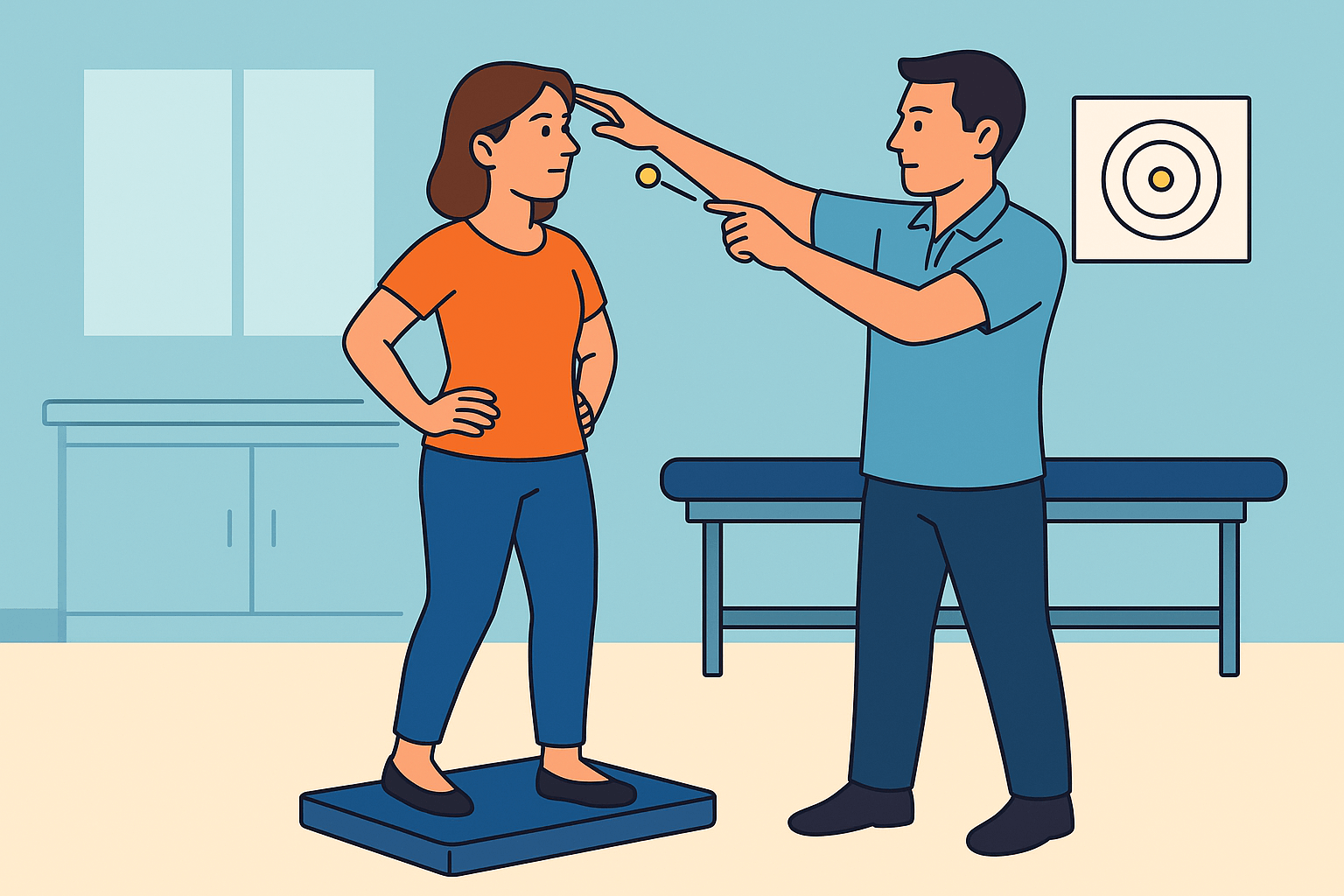
Movement and relaxation can work wonders:
- Vestibular Rehab: Physical therapy for balance-related nausea.
- Gentle Exercise: Try swimming, yoga, or shaded walks.
- Mind-Body Tools: Deep breathing, guided imagery, or progressive muscle relaxation. 🧘
🌿 Natural and Complementary Remedies
Mother Nature lends a hand too:
- Ginger: Fresh, tea, capsules, or chews—it’s a go-to remedy. 🍵
- Peppermint: Try tea or essential oil diffusers.
- Acupressure: Press on the P6 point on your inner wrist for a couple of minutes. ⌚
Want supplements for people with MS? Click here.
🏡 Make Your Space Nausea-Friendly
Sometimes, a few home adjustments make all the difference:
- Stay Cool: Use fans, wear light clothes, and avoid overheating.
- Lower Stimuli: Dim lighting, soft sounds, and fresh air help.
- Create Calm Zones: A cozy, quiet place to recover makes nausea easier to ride out. 🛏️
🤝 Find Support and Connection
You don’t have to go through this alone:
- Join MS Groups: Online or local—swap stories and tips with others who understand. 💬
- See a Therapist: CBT can help reduce anxiety and the stomach upset that often tags along. Want an online therapist? Click here.
- Use Apps: Try Headspace or Calm for chronic illness-specific meditations. 📱
📘 Real-Life Wins
- Sarah’s Story: Cutting spicy food helped reduce her nausea by 60%. 🌶️✂️
- Mark’s Routine: Midday swims helped him stay cool and feel better. 🏊
- Priya’s Tech Trick: She tracked symptoms on an app, adjusted meds, and felt way more in control. 📲
🧰 Tips for Caregivers
Caregivers play a huge role:
- Prep a Comfort Kit: Crackers, water, cooling cloths, and ginger chews. 🧊
- Routine Help: Assist with meal prep and med schedules. 🕒
- Track Together: Shared journals or apps can make spotting patterns easier.
- Offer Distractions: Gentle hobbies, soothing music, or audiobooks work wonders. 🎶
🧪 Emerging Research and Future Directions
New insights are on the horizon:
- Neuromodulation Therapies: Research is exploring non-invasive brain stimulation to relieve autonomic symptoms like nausea. 🧠⚡
- Microbiome Studies: Scientists are studying the gut-brain connection in MS—could probiotic therapies become part of standard care? 🧬
- Digital Symptom Tracking: AI-powered tools are being developed to forecast nausea episodes and suggest interventions in real-time. 📱🤖
Staying aware of the advancing MS research can open the door to future relief and future innovation. Speak to your care team about any trials or studies you may be eligible to participate in!
🛡️ Preventing Flares and Future Nausea
Stay ahead of the curve with these habits:
- Avoid Triggers: Use your journal to dodge the usual suspects.
- Review Meds Regularly: Check side effects with your doc.
- Hydrate Daily: A refillable bottle is your best friend.
- Mindful Minutes: Just 5–10 minutes a day lowers stress.
- Try Wearables: Some devices monitor body temp and movements to alert you early. 📡
❓ FAQs
Q: Can traveling trigger nausea? A: Yes! Changes in routine, food, and time zones can. Pack light snacks, prep your meds, and take breaks. ✈️
Q: What helps with nausea at night? A: Keep crackers nearby, stay hydrated, and ask your doctor about low-dose antihistamines. 🌙
Q: Should I take probiotics? A: They may help—especially certain strains like Lactobacillus. Ask your healthcare provider first. 🦠
Q: How can I manage nausea at work? A: Eat small meals, keep ginger on hand, use a fan, and take breathing breaks. 💼
Q: When should I get therapy? A: If nausea leads to anxiety, sadness, or becomes hard to manage—mental health support can be key. 🧠
🎯 Conclusion
Nausea in MS can feel erratic, but you are not without options! Through the use of tracking tools, dietary changes, medical and natural treatment solutions, and a solid support system—there are many ways you can reclaim some control. Remember, every little bit counts toward more vibrant, steadier days. 🌤️ You got this!
📚 References
- Silverman et al. (2020). "Brainstem Lesions and Autonomic Symptoms in MS." Journal of Neuroimmunology, 345, 577–585.
- Thompson et al. (2021). "Disease-Modifying Therapies in MS: Tolerability Profiles." MS Journal, 27(4), 323–338.
- National MS Society. (2022). "Vestibular Rehabilitation in MS."
- Doe & Smith (2023). "Ginger in Neurological Nausea." Herbal Medicine Research, 15(2), 142–150.
- Brown et al. (2024). "Wearable Tech for Autonomic Symptoms." Digital Health, 9, 2055207624123456.