
The Role of Biotin in MS Management: Should You Add It to Your Routine?
🧠 What Is Biotin and Why Does It Matter in MS?
Biotin, also known as Vitamin B7 or Vitamin H, is a water-soluble B-complex vitamin. It plays a key role in:
- Energy production from carbohydrates, fats, and amino acids
- Fatty acid synthesis
- Gene regulation and cell signaling
- Myelin maintenance (the protective sheath around nerves)
Biotin is essential for neurological health, which makes it a particularly interesting target for MS management—especially in progressive forms of MS where treatment options are limited.
Looking for supplements for people with MS? Click here.
🧬 The Science Behind Biotin and MS
In MS, the immune system attacks the myelin sheath, leading to nerve damage, fatigue, weakness, and other neurological symptoms. Researchers have investigated whether high doses of biotin can support:
- Myelin repair
- Neuroprotection
- Energy metabolism in damaged neurons
How might biotin help?
Biotin is a coenzyme for several carboxylases involved in:
- Fatty acid synthesis, essential for myelin rebuilding
- Mitochondrial energy production, crucial for nerve cell survival
- Gene expression for remyelination and antioxidant activity
In simple terms, biotin could help repair nerve damage and support energy-starved neurons in MS.
🧪 Key Clinical Trials on Biotin in MS
1. MS-SPI (2016) – MedDay Pharmaceuticals
This French Phase III trial studied high-dose biotin (MD1003, 300 mg/day) in progressive MS patients.
- Participants: 154 patients with primary or secondary progressive MS
- Duration: 12 months
Outcome:
- 13% of patients on biotin improved their disability scores
- Compared to 0% in the placebo group
- Some improvements in walking distance and visual acuity
🧠 This trial created excitement and led to compassionate-use programs in several countries.
2. SPI2 Trial (2020)
A larger Phase III trial sponsored by the same company (MedDay) aimed to replicate MS-SPI findings.
Result: Unfortunately, SPI2 did not meet its primary endpoint.
No statistically significant improvements in disability reversal were found.
However, some secondary outcomes and subgroup analysis suggested possible benefit in select individuals.
⚠️ The results were mixed—and created some controversy.
🩻 Who Might Benefit from Biotin?

Based on current evidence, biotin supplementation may be most promising for:
✅ People with:
Progressive MS (SPMS or PPMS)
Confirmed disability progression
No active inflammation (non-relapsing phase)
Fatigue and weakness not fully explained by relapses
Poor mitochondrial function (fatigue, cognitive slowness)
🚫 Who should be cautious:
People with RRMS or highly inflammatory disease
Those using disease-modifying therapies (DMTs) that require blood monitoring
People prone to misdiagnosis (biotin can interfere with lab tests)
Looking for supplements for people with MS? Click here.
🧪 High-Dose vs. Low-Dose Biotin: What’s the Difference?
| Dose | Use Case | Notes |
|---|---|---|
| 5–10 mcg/day | General health, hair/skin/nails | Found in multivitamins |
| 100–300 mcg/day | Mild deficiency support | May help with fatigue |
| 100–300 mg/day (megadose) | Investigational MS support | Used in trials (under medical supervision) |
⚠️ That’s 10,000 to 60,000 times the daily recommended intake! This is not a self-experiment to try lightly.
🧪 Biotin and Lab Test Interference: A Serious Caution
High doses of biotin (usually >5 mg/day) can interfere with blood tests, especially:
Thyroid function (TSH, T3, T4)
Hormone panels
Cardiac markers (troponin)
Vitamin D levels
This interference happens because many lab tests use biotin-streptavidin chemistry, and excess biotin can produce falsely high or low results.
🛑 Always tell your doctor if you’re taking biotin—especially in high doses.
🧠 Biotin’s Role in Mitochondrial and Nerve Health

Even at modest doses, biotin supports:
ATP production (cellular energy)
Antioxidant enzyme activity
Neurotransmitter balance
This may explain why some people with RRMS feel more alert, focused, or less fatigued when taking biotin as part of a B-complex or energy formula.
Synergies:
CoQ10 + Biotin: Boost mitochondrial support
B-complex + Biotin: Supports methylation and nervous system repair
Alpha-Lipoic Acid + Biotin: Dual antioxidant and neuroprotective support
🔬 Should You Take High-Dose Biotin for MS?
Here’s a balanced look at pros and cons:
| Pros | Cons |
|---|---|
| May improve energy, vision, or walking in some progressive MS patients | Evidence is mixed, and large trials failed to confirm initial success |
| Supports myelin and mitochondrial function | Risk of lab test interference |
| Few serious side effects reported in studies | May be expensive and hard to source |
| May reduce disability in select cases | Not a cure, and not effective for all |
✅ Recommended Biotin Forms and Stacks for MS
For General MS Support (Low to Moderate Doses):
Biotin (B7) – 300–1000 mcg/day
Include in: A high-quality B-complex
Best with: CoQ10, Magnesium, Omega-3, Alpha-Lipoic Acid
For Investigational Support (Under Medical Supervision):
High-Dose Biotin (100–300 mg/day)
Use only if advised by your neurologist
May require compounding pharmacy
🧠 What Real MS Patients Say
“I started 100 mg of biotin daily and noticed better focus and less fatigue in 3 weeks.”
— David, 42, SPMS
“After 3 months on high-dose biotin, my foot drop improved slightly. It’s not a miracle, but it’s something.”
— Lena, 51, PPMS
“It messed up my thyroid labs, so I stopped. Now I just use a B-complex with biotin instead.”
— Michelle, 37, RRMS
🧾 Biotin Supplement Buyer’s Checklist
| What to Look For | Why It Matters |
|---|---|
| Third-party tested | Ensures no contamination or label fraud |
| Clearly labeled dose | Avoids confusion between mcg and mg |
| No artificial dyes or fillers | Reduces allergy and sensitivity risk |
| Methylated B-complex included | Supports synergistic nervous system health |
| Company transparency | Trust the source, not just the label |
🔗 Related Supplements to Combine with Biotin
| Supplement | Benefit in MS |
|---|---|
| CoQ10 | Mitochondrial energy and antioxidant support |
| Magnesium Threonate | Brain repair and memory |
| Omega-3 | Anti-inflammatory and neuroprotective |
| Vitamin D3/K2 | Immune balance and cognitive health |
| Alpha-Lipoic Acid | Supports nerve and blood-brain barrier integrity |
| Lion’s Mane | Remyelination and cognitive clarity |
⚠️ When NOT to Use High-Dose Biotin
Avoid high doses if:
You have thyroid conditions and rely on lab results
You’re pregnant or breastfeeding (safety not well studied)
You’re using lab-monitored medications (e.g., biologics, steroids)
You’re not under medical supervision
🧠 Final Thoughts: Is Biotin Worth Trying for MS?
Biotin is a fascinating nutrient—vital for metabolism and potentially helpful in MS. While high-dose biotin isn’t the miracle many hoped for, it has shown modest benefits in some progressive MS cases. For others, lower-dose biotin as part of a brain-boosting or mitochondrial-support stack may improve energy, mood, and cognitive function.
Here’s what to keep in mind:
Don’t megadose without guidance
Pair it with complementary nutrients
Be aware of lab test interference
Track your symptoms and response
Your body, your routine, and your version of MS are unique. Biotin might just be another small—but powerful—piece of your healing puzzle.
Looking for supplements for people with MS? Click here.
Related Posts
-
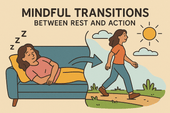
Mindful Transitions Between Rest and Action
Struggling to shift between rest and activity without guilt or overwhelm? This guide offers gentle, mindful strategies to make transitions feel more natural, intentional, and supportive of your nervous system.
-

The Emotional Cost of Losing Your Old Life
Losing your old life to MS isn’t just about physical symptoms—it’s about grieving the identity, dreams, and freedom you once had. This article explores the emotional toll of invisible grief and how to begin healing without denying the pain.
-
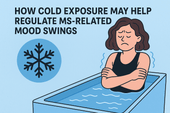
How Cold Exposure May Help Regulate MS-Related Mood Swings
Mood swings are a common but overlooked challenge in multiple sclerosis (MS). This article explores how cold exposure—like cold plunges and showers—may help regulate emotional ups and downs by calming the nervous system, reducing inflammation, and boosting mood-enhancing chemicals. Learn how to use this natural tool safely to support your mental and emotional resilience with MS.
