
Techniques to Calm an Overactive Nervous System in MS
Introduction
When you live with Multiple Sclerosis (MS), the nervous system isn’t just the target of the disease—it also becomes the epicenter of stress. Between unpredictable flares, chronic fatigue, pain, and anxiety, it’s no wonder that your nervous system may feel like it’s constantly “on high alert.”
This state of hyperarousal—where your body is stuck in fight, flight, or freeze—can make everything worse: sleep becomes difficult, pain feels amplified, digestion gets disrupted, and your emotions swing out of balance.
But here’s the truth: you can help calm your MS-wired nervous system. Through practical, science-based techniques, you can shift out of chronic stress and into a state of greater regulation, peace, and healing.
Let’s explore how to do just that.
Looking for online therapy? Click here.
🧠 What Does an Overactive Nervous System Look Like in MS?
With MS, your central nervous system (CNS)—the brain and spinal cord—is already vulnerable due to demyelination. But when the autonomic nervous system (ANS) is constantly overstimulated, it adds another layer of struggle.
Signs your nervous system may be overactive:
🫀 Rapid heart rate or palpitations
😰 Chronic anxiety or panic
😵 Dizziness or lightheadedness
😠 Irritability or emotional outbursts
💤 Insomnia or poor sleep
🧊 Cold hands/feet (poor circulation)
🧘Difficulty relaxing even when “nothing is wrong”
🧠 Brain fog or dissociation
🚨 Startle easily at minor stressors
This is your body yelling: “I’m overwhelmed!”
🧬 Why MS Triggers Nervous System Dysregulation

Neurological Uncertainty
MS symptoms can appear suddenly and feel alarming, keeping your brain in a state of vigilance.
Chronic Inflammation
Ongoing inflammation can trigger stress responses in the brain and body.
Medical Trauma
Repeated scans, unpredictable diagnoses, and dismissive healthcare experiences can leave lasting nervous system imprints.
Life Stress + MS Stress = Overload
Balancing work, relationships, and daily life while managing a chronic illness often exceeds the nervous system’s coping bandwidth.
🌿 The Goal: Shifting from “Fight or Flight” to “Rest and Digest”
Your nervous system has two main gears:
- Sympathetic (fight or flight) – prepares you to deal with danger
- Parasympathetic (rest and digest) – helps you relax, digest, and heal
When you live with MS, your body tends to get stuck in the sympathetic mode. The techniques below help reactivate your parasympathetic nervous system—bringing you back to calm, clarity, and connection.
🔄 15 Techniques to Calm an Overactive Nervous System with MS
1. 🌬️ Breathwork (Your Fastest Reset)
One of the most effective ways to calm your nervous system is through conscious breathing.
Try: Box Breathing
- Inhale for 4 counts
- Hold for 4 counts
- Exhale for 4 counts
- Hold for 4 counts
Repeat for 1–3 minutes.
Why it works: Deep breathing signals to your brain that you are safe. It activates the vagus nerve, which slows heart rate and lowers cortisol. Want to try Breathwork? Click here.
2. 👣 Grounding Exercises
Grounding helps bring your awareness back into the body, calming racing thoughts and easing panic.
Try:
- Standing barefoot on grass or carpet
- Naming 5 things you see, 4 you can touch, 3 you hear, 2 you smell, 1 you taste
- Holding a cool stone or textured object in your hand
MS can make your body feel foreign—grounding brings you back home to it.
3. 🎵 Sound Therapy and Music
Soft, slow music (especially in 60-80 bpm) can entrain your heartbeat to a calmer rhythm.
Try:
- Solfeggio frequencies (like 432 Hz)
- Nature sounds
- Singing or humming to stimulate the vagus nerve
Even 5 minutes of mindful listening can ease your system into rest mode.
4. 🧘 Gentle Somatic Movement
When your body feels safe, your brain follows. Movement helps release stored stress.
Try:
- Chair yoga or seated stretching
- Tai Chi or Qigong
- Rocking side to side while seated
Avoid intense workouts when dysregulated—go slow and rhythmic instead.
5. 💆 Vagus Nerve Stimulation

The vagus nerve is like a calming switch. Stimulating it can reduce inflammation and anxiety.
Methods:
- Gargling water vigorously
- Humming or chanting
- Splashing cold water on your face
- Deep diaphragmatic breathing
Practice daily to build resilience over time.
6. 🧴 Aromatherapy
Essential oils can calm the nervous system through olfactory pathways.
Top oils for calm:
- Lavender
- Bergamot
- Frankincense
- Chamomile
Diffuse in your room or rub (diluted) on your wrists for quick relaxation.
7. 💻 Limit News + Social Media Exposure
Constant digital input overstimulates the nervous system.
Try:
- Setting a “scroll curfew”
- Taking 1–2 hours daily with no phone
- Using apps like Calm or Insight Timer instead
Less noise = more regulation.
8. 🖌️ Creative Expression
Art, music, journaling, and crafting all engage the right brain and soothe overwhelm.
Prompts:
- “Today, my nervous system feels like…”
- Create a collage of calming colors
- Use movement or dance to release emotion
You don’t need to be “artistic”—just expressive.
9. 🌙 Establish a Calm Bedtime Routine
Sleep is critical for calming the CNS, but dysregulation makes it hard to rest.
Tips:
- Wind down 1 hour before bed (no screens)
- Use soft lighting, warm baths, calming music
- Try a natural sleep support (magnesium, L-theanine)
Consistency is more important than perfection.
10. 🤝 Co-Regulation with Safe People
Humans regulate best together. When you’re spiraling, reach out.
Try:
- Asking a loved one for a hug
- Holding eye contact with someone you trust
- Video chatting with a friend
Connection is a nervous system balm.
11. ✋ Limit Caffeine and Sugar
These overstimulate an already taxed nervous system.
Tips:
- Switch to herbal teas or decaf options
- Eat protein with carbs to stabilize energy
- Consider magnesium glycinate to soothe excitability
Support calm from the inside out.
12. 🧠 Cognitive Reframing (Calming Thoughts)
Your thoughts can either stir the storm—or soothe it.
Try:
- “This is a flare, not forever.”
- “My body is signaling stress, not doom.”
- “I am allowed to rest.”
Repeat calming phrases like mantras. Your nervous system listens to what your mind says.
13. 📵 Digital Detox Days

Sensory overload from screens is real.
Try unplugging for half a day or a full 24 hours. Go analog:
- Read a book
- Write a letter
- Sit in silence
- Watch the clouds
You’ll be amazed how much stillness helps your body settle.
14. 📓 Nervous System Journal
Track your emotional and physical responses to build awareness and patterns.
Template:
- What triggered me today?
- How did my body respond?
- What helped me regulate?
- What do I need tomorrow?
Journaling is a mirror for your nervous system.
15. 🌿 Supplements to Support Regulation
Talk to your doctor, but some people with MS find relief with:
- Magnesium glycinate (relaxes muscles + brain)
- L-theanine (calms without sedating)
- Adaptogens like ashwagandha or rhodiola (stress resilience)
- Omega-3s (anti-inflammatory and neuroprotective)
Supplements aren’t magic—but they can gently support your system.
Looking for supplements for people with MS? Click here.
🌀 What If I Can’t Calm Down?
Sometimes, nothing seems to work. That’s okay. Your body may be carrying years (or decades) of nervous system tension.
On those days:
- Be gentle, not punitive
- Focus on the smallest soothing action (e.g., one deep breath)
- Remind yourself: “This will pass. My body is doing its best.”
Healing is a process—not a performance.
💬 Words to Say to Your Overactive Nervous System
Try repeating:
- “You’re safe now.”
- “It’s okay to let go.”
- “We don’t have to fight anymore.”
- “I’m listening. I’ve got you.”
Speak to yourself like you would to a scared child. That’s the part of you that needs the most care.
🧠 When to Seek Professional Help
If your nervous system feels constantly overwhelmed and it’s affecting your quality of life, consider working with:
- A trauma-informed therapist (for nervous system regulation)
- A somatic practitioner (for body-based healing)
- A functional medicine doctor (to assess nervous system stressors)
You don’t have to do this alone.
Looking for online therapy? Click here.
🌟 Final Thoughts: You Deserve Peace—Not Just Pain Management
MS isn’t just a physical condition. It affects your emotions, your thoughts, and your stress responses. But by learning how to regulate your nervous system, you can create a more peaceful internal environment—even if your external circumstances stay the same.
These small practices, repeated consistently, create long-term resilience. Your body is not your enemy—it’s your messenger. With the right tools, you can help it feel safe again.
You are not broken. You are healing. One breath at a time.
Related Posts
-
Redefining Energy Management as Emotional Self-Care
Energy isn’t just physical—it’s emotional. Learn how redefining energy management as emotional self-care can help you protect your peace, support your nervous system, and live more in tune with your true needs.
-
The Power of Daily Structure in Preventing Mental Health Spirals
Daily structure can prevent mental health spirals by creating safety, routine, and self-trust—especially for those with MS, depression, or anxiety.
-
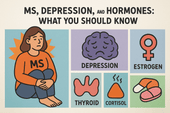
MS, Depression, and Hormones: What You Should Know
MS-related depression isn’t always just emotional—it can be hormonal. Discover how thyroid, sex, and stress hormones influence mood in MS, why women may feel worse during PMS or menopause, and what signs to look for when hormones may be driving emotional instability.
