
Sleep Struggles with MS? Try These Natural Supplements for Deeper Rest
😴 Why MS Makes Sleep So Difficult
If you have MS, you're likely no stranger to sleep issues. Studies suggest that up to 50–60% of people with MS experience chronic sleep disturbances [1]. But why?
🔍 Root Causes of Sleep Disturbances in MS:
Neuropathic Pain and Spasticity
Tingling, cramps, and tightness in the legs can make falling—and staying—asleep difficult.
Bladder Dysfunction (Nocturia)
Frequent night-time urination is a major contributor to fragmented sleep in MS.
Temperature Dysregulation
MS-related autonomic dysfunction can cause night sweats or feeling too cold or hot at night.
Restless Legs Syndrome (RLS)
Common in MS, RLS is characterized by an uncontrollable urge to move your legs at night.
Anxiety and Depression
MS can trigger mental health challenges, which often disrupt the ability to relax and sleep soundly.
Medications
Some MS treatments (steroids, stimulants, etc.) may interfere with your sleep-wake cycle.
Looking for supplements for people with MS? Click here.
🌿 Natural Sleep Supplements That May Help with MS
Below are research-supported natural supplements that may help people with MS get deeper, more restful sleep—without the side effects of prescription sleep meds.
🧂 1. Magnesium (Glycinate or Citrate)

Why it helps:
Magnesium is a calming mineral that plays a role in muscle relaxation, nervous system balance, and GABA production—your brain’s primary calming neurotransmitter.
- May reduce restless legs, spasticity, and cramps
- Supports deeper slow-wave sleep
- Often depleted in people with MS due to inflammation or medication use [2]
Suggested dose: 200–400 mg/day, preferably in glycinate or citrate form before bed.
🌙 2. Melatonin
Why it helps:
Melatonin is a hormone naturally produced by the pineal gland at night. It helps regulate your circadian rhythm and signals your body to wind down.
- Can be especially useful for MS patients with delayed sleep phase
- Supports faster sleep onset
- May improve REM sleep quality
A randomized study found melatonin significantly improved sleep latency and overall sleep satisfaction in patients with MS [3].
Suggested dose: 0.3–5 mg taken 30–60 minutes before bedtime. Start low and increase if needed.
Looking for supplements for people with MS? Click here.
🧘 3. L-Theanine
Why it helps:
L-theanine is a calming amino acid found in green tea. It promotes alpha brainwave activity, which is associated with a relaxed but alert mental state.
- Helps reduce racing thoughts and anxiety before bed
- Improves sleep quality without sedation
- May work synergistically with other calming nutrients like magnesium
Suggested dose: 100–200 mg in the evening.
🌿 4. CBD (Cannabidiol)
Why it helps:
CBD, a non-psychoactive compound from hemp, has been shown to reduce pain, anxiety, and inflammation—three key contributors to poor sleep in MS.
- Helps with falling and staying asleep
- Reduces spasticity and nerve pain
- May also benefit mood and daytime stress
In MS patients using CBD or medical cannabis extracts, improved sleep duration and reduced fatigue have been consistently reported [4].
Suggested dose: 10–50 mg CBD per evening. Start with low doses and adjust gradually.
🍒 5. Tart Cherry Extract
Why it helps:
Tart cherries are a natural source of melatonin, along with antioxidants like anthocyanins that fight inflammation.
- Increases melatonin levels naturally
- May improve total sleep time and reduce insomnia severity
- Bonus: also helps with muscle recovery if you’re active
One study found tart cherry juice significantly improved sleep efficiency and time in bed [5].
Suggested dose: 1,000 mg extract or 8 oz of juice 1–2 hours before bed.
💆 6. Valerian Root

Why it helps:
Valerian is a traditional herbal remedy that supports GABA activity and calms the nervous system.
- Improves sleep latency and depth
- Helps reduce night-time awakenings
- May be particularly effective for RLS or anxiety-related sleep disorders
Suggested dose: 400–600 mg valerian extract, or as a tea 30–60 minutes before bedtime.
🧪 7. GABA (Gamma-Aminobutyric Acid)
Why it helps:
GABA is the brain’s main inhibitory neurotransmitter. Supplementing GABA may help reduce neural excitability—a major issue in MS.
- May shorten time to sleep onset
- Calms the overactive mind and nerves
- Often combined with L-theanine or magnesium
Suggested dose: 100–250 mg before bed. Note that oral GABA may not cross the blood-brain barrier for everyone.
🌾 8. Ashwagandha
Why it helps:
Ashwagandha is an adaptogenic herb known for reducing cortisol (stress hormone) and supporting adrenal balance.
- Promotes relaxation and deeper sleep
- Improves sleep quality in chronic stress states
- May enhance next-day energy and mood
In a placebo-controlled trial, ashwagandha improved sleep efficiency and total sleep time [6].
Suggested dose: 300–600 mg of ashwagandha root extract (standardized to 5% withanolides)
🔄 Synergistic Supplement Combinations
Here are a few evidence-based combinations that may work well together:
| Stack Name | Supplement Combo | Benefits |
|---|---|---|
| Calm Mind Stack | Magnesium + L-Theanine + GABA | Reduces racing thoughts and anxiety |
| Recovery Stack | Tart Cherry + CBD + Magnesium | Supports pain relief and muscle recovery |
| Stress Relief Stack | Ashwagandha + Magnesium + Melatonin | Regulates stress and boosts sleep hormones |
Always talk to your doctor or pharmacist before combining supplements—especially if you’re already on prescription meds.
🛏️ Additional Sleep Hygiene Tips for MS
💤 Supplements are most effective when paired with smart sleep habits.
- 🕰️ Stick to a consistent schedule – Go to bed and wake up at the same time every day
- 🌙 Use blackout curtains – Light disrupts melatonin production
- 📵 Avoid screens 1 hour before bed – Blue light impairs circadian rhythm
- 🧖Try warm baths – Especially with magnesium-rich Epsom salts
- 🪶 Use body pillows or wedge supports to minimize pain at night
- ☁️ Keep your room cool – 65–68°F is optimal for deep sleep
⚠️ When to See a Sleep Specialist

Natural supplements may help, but professional evaluation is warranted if:
- You have persistent insomnia or daytime sleepiness
- You wake up gasping or snoring loudly (signs of sleep apnea)
- You feel mentally foggy despite long hours in bed
- You rely heavily on prescription sedatives (e.g., benzodiazepines)
Your neurologist may refer you to a sleep clinic for a polysomnography or suggest CBT-i (Cognitive Behavioral Therapy for Insomnia), which is highly effective—even in MS populations.
🧠 Final Thoughts: Natural Tools for Restoring Deep Sleep
Living with MS presents enough daily challenges without the added burden of sleepless nights. Fortunately, the right combination of natural supplements—magnesium, melatonin, CBD, L-theanine, and more—can help calm your body, soothe your nervous system, and restore restorative sleep.
Pair them with good sleep hygiene, and you may finally experience mornings that feel a little less heavy.
Remember to consult your healthcare provider before adding any new supplements—especially if you take medications for MS, blood pressure, or mood.
Looking for supplements for people with MS? Click here.
📚 References
Veauthier C, Paul F. Sleep disorders in multiple sclerosis and their relationship to fatigue. Sleep Med. 2014;15(1):5–14.
Golan D, et al. Dietary magnesium intake and MS: A cohort study. Mult Scler J. 2015;21(2):154–160.
Sevim S, et al. Effects of melatonin in multiple sclerosis patients with sleep disorders. Int J Neurosci. 2017;127(10):886–891.
Flachenecker P. Clinical implications of cannabis use in MS: a review. Ther Adv Neurol Disord. 2018;11:1–13.
Pigeon WR, et al. Effects of tart cherry juice on insomnia in older adults. J Med Food. 2010;13(3):579–583.
Langade D, et al. Efficacy and safety of ashwagandha root extract in insomnia and anxiety: A double-blind study. Cureus. 2019;11(9):e5797.
Related Posts
-
Rewiring Hope: How to Slowly Come Back to Life
Feeling emotionally numb or disconnected? Learn how to gently rebuild hope, one small sensory step and spark of life at a time.
-
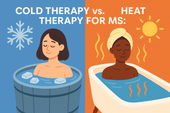
Cold Therapy vs. Heat Therapy for MS: Which One Helps More?
Managing multiple sclerosis (MS) often means navigating symptoms like fatigue, spasticity, pain, and nerve dysfunction. But when it comes to using temperature-based therapies, there’s a question many patients face: Should I be using cold or heat? In this in-depth guide, we explore the benefits, risks, and best use cases of cold therapy vs. heat therapy for MS.
-
Finding Relief in the Midst of a Flare
MS flares can leave you feeling overwhelmed, exhausted, and mentally foggy. Cold water therapy is emerging as a promising tool to help reset the body and mind after a flare. This article explores how cold exposure supports recovery, calms the nervous system, and can be safely added to your daily routine.
