
Nervous System Regulation for People with Autoimmune Disorders
Introduction
Living with an autoimmune disorder can feel like your body is fighting itself—and often, your nervous system is caught in the crossfire. Whether it’s multiple sclerosis, lupus, rheumatoid arthritis, or Hashimoto’s, these conditions don’t just affect your immune cells—they disrupt your mental, emotional, and neurological balance.
One of the most powerful yet underutilized tools in managing autoimmune symptoms is nervous system regulation. When your nervous system is constantly in "fight-or-flight" mode, your body stays inflamed, your symptoms spike, and healing becomes much harder. Learning to regulate your nervous system is not just calming—it's therapeutic.
Let’s explore what nervous system dysregulation looks like in autoimmune conditions, why it matters, and how to create a daily practice that brings more calm, safety, and resilience into your body.
Looking for online therapy? Click here.
🧩 1. Understanding the Link Between Autoimmune Conditions and the Nervous System
The immune system and the nervous system are deeply interconnected. The brain talks to the immune system through a network of chemical messengers, and vice versa.
In autoimmune conditions:
- Chronic stress and trauma can overactivate the sympathetic nervous system, increasing inflammation.
- The vagus nerve, which controls rest-and-digest functions, is often underactive.
- The body can get stuck in a dysregulated state—hypervigilant, anxious, and inflamed.
This means flare-ups aren’t just physical—they’re also neurological. Your immune response and your stress response may be tightly wound together.
⚠️ 2. Signs of Nervous System Dysregulation in Autoimmune Disorders

Do these sound familiar?
- You feel constantly wired, anxious, or exhausted
- You’re easily overwhelmed by noise, light, or touch
- You “crash” after stress, exercise, or social interaction
- You experience sudden symptoms after emotional triggers
- You struggle with poor sleep or waking up tired
- You feel emotionally reactive or numb
- You can’t relax, even when you try
These are all signs that your nervous system is struggling to reset itself—and may be stuck in survival mode.
🔄 3. The Polyvagal Theory: A Roadmap to Regulation
Developed by Dr. Stephen Porges, Polyvagal Theory explains how the autonomic nervous system has three primary states:
Safe and Social (Ventral Vagal): Calm, connected, relaxed
Fight-or-Flight (Sympathetic): Alert, anxious, ready to act
Freeze or Shutdown (Dorsal Vagal): Numb, tired, dissociated
Autoimmune illness can push you into chronic sympathetic (anxiety) or dorsal vagal (fatigue/depression) states. The goal of regulation is to increase access to the ventral vagal state—where healing, digestion, and emotional connection thrive.
🧘 4. Daily Nervous System Regulation Practices
These gentle tools help your body return to a sense of safety. Pick one or two to start, and build over time.
a. Vagus Nerve Activation
Humming or chanting (stimulates vocal cords and vagus nerve)
Gargling with water (strongly stimulates the vagus)
Cold exposure (splash cold water on your face or use a cold pack on your neck)
Deep belly breathing (especially with a long exhale)
b. Somatic Grounding
Place one hand on your chest, one on your belly. Breathe.
Name five things you see, hear, feel (5-4-3-2-1 technique)
Press your feet into the ground and gently sway
Use a weighted blanket or heavy pillow for comfort
c. Gentle Movement
Yoga or tai chi
Walking in nature
Rebounding or gentle stretching
Shaking out your limbs (literally “discharging” tension)
d. Co-regulation with Others
Safe, calm voices
Gentle touch (from a loved one or pet)
Eye contact with someone who makes you feel secure
Talking to a therapist or friend who validates your experience
e. Breathwork
Box breathing (inhale 4 – hold 4 – exhale 4 – hold 4)
4-7-8 breathing (inhale 4 – hold 7 – exhale 8)
Extended exhale (inhale 4 – exhale 6+)
Breath regulates the autonomic nervous system. The exhale activates the vagus nerve and calms the body.
Want to try Breathwork? Click here.
🧠 5. Why You Can’t Heal If You’re Always in Fight-or-Flight
When your nervous system is in survival mode:
- Blood flow is diverted away from the gut and toward muscles
- Inflammation markers increase
- The immune system may become overreactive
- Sleep, digestion, and detoxification are compromised
- Your body literally believes it’s unsafe to heal
This is why even the best diet or medication might not work if your nervous system isn’t on board.
Regulation helps shift your body from “survive” to “repair.”
🧠 6. Mental Health and Nervous System Dysregulation
Autoimmune disorders often come with anxiety, depression, or emotional lability. This is not “just in your head”—it’s often neurologically rooted.
For example:
- MS lesions can affect mood and impulse control
- Chronic inflammation impacts neurotransmitters like serotonin and dopamine
- A dysregulated nervous system makes emotional regulation harder
This makes nervous system support a core part of mental health care for autoimmune patients.
Looking for online therapy? Click here.
💡 7. A Regulation Routine (Example Day Plan)
Morning (10 minutes)
☀️ Light stretch + 4-7-8 breathing + morning sun exposure
Midday (5 minutes)
🌿 Grounding exercise + vagus stimulation (gargling or humming)
Evening (15 minutes)
🛀 Warm bath + journaling gratitude + extended exhale breathwork
Bedtime (5 minutes)
🧘 Visualization or body scan + hand over heart + slow breathing
Optional Add-ons:
Yoga nidra
Nature walks
Music that calms you
Saying “no” to overstimulation (noise, screens, drama)
💬 8. Affirmations for a Regulated Nervous System

Repeat these slowly, breathing as you speak them:
“It’s safe to slow down.”
“My body knows how to heal.”
“I am not my illness—I am whole.”
“I release what’s not mine to carry.”
“I trust my body to support me.”
🧘 9. Nervous System Tools You Can Explore
If you want to go deeper, try:
| Tool | Benefit |
|---|---|
| Somatic Experiencing | Trauma resolution and nervous system reset |
| EMDR | Reprocess traumatic experiences that fuel anxiety |
| TRE (Tension Release Exercises) | Shake out stress stored in the body |
| HeartMath | Biofeedback for heart-brain coherence |
| Biofeedback devices (Apollo Neuro, Sensate) | Regulate via vibration or sound |
Not all tools work for everyone—listen to your body and go gently.
🛑 10. What to Avoid When Dysregulated
Sometimes what we think is “self-care” can overstimulate us. Avoid:
- Forcing intense workouts during a flare
- Overloading with new health protocols all at once
- Doomscrolling or comparing yourself on social media
- Overexplaining your illness to people who don’t get it
- Multitasking or productivity pressure when you're crashing
Regulation is not another to-do list. It's a permission slip to do less and feel more.
❤️ Final Thoughts: Regulation Is Self-Compassion in Action
If you live with an autoimmune disorder, your nervous system deserves as much attention as your immune system.
Regulation isn't about perfection—it’s about creating micro-moments of safety so your body can start trusting itself again.
When your nervous system feels safer, your symptoms often soften. You think more clearly. You respond, instead of react. You make room for joy, for rest, and for hope.
Even five minutes a day can begin to rewire your system toward healing.
You are not broken—you are beautifully adaptive. And with the right tools, you can begin to regulate, reset, and reclaim your life.
Looking for online therapy? Click here.
Related Posts
-
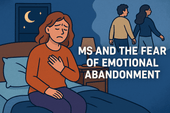
MS and the Fear of Emotional Abandonment
The fear of emotional abandonment is common for people with MS. This article explores why it happens, how it impacts your relationships, and how to create emotional safety and healing.
-
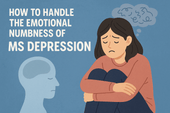
How to Handle the Emotional Numbness of MS Depression
Emotional numbness in MS depression doesn’t always look like sadness—it can feel like nothing at all. Learn why this disconnection happens, how it's tied to neuroinflammation and nervous system overload, and discover science-backed strategies to gently reconnect with your emotions.
-
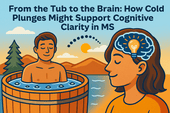
From the Tub to the Brain: How Cold Plunges Might Support Cognitive Clarity in MS
Cognitive fog is one of the most frustrating symptoms of multiple sclerosis (MS). But could cold plunges—those bracing dips into icy water—offer a surprising path to mental clarity? This article explores the emerging science behind cold exposure, brain function, and how a cold tub might help people with MS sharpen focus, lift brain fog, and reset their nervous system.
