
MS-Friendly Supplements for Vegans and Vegetarians
🧠 Introduction: Why Supplementing Is Crucial for Plant-Based MS Diets
Following a vegan or vegetarian lifestyle can bring anti-inflammatory benefits—something people with MS often seek. Plant-based diets are rich in:
- Antioxidants
- Fiber
- Phytonutrients
- Low saturated fats
But they can also be low in key nutrients crucial for MS symptom management, such as:
- Vitamin B12
- Vitamin D3
- Omega-3 fatty acids
- Iron
- Zinc
- Choline
- Creatine
- Carnitine
If you're plant-based and living with MS, the right supplements can fill nutrient gaps and enhance your quality of life—without compromising your ethics.
Looking for supplements for people with MS? Click here.
🌿 Section 1: Vitamin B12 – A Must-Have for Plant-Based Diets

Why B12 Matters for MS
B12 is essential for:
- Myelin sheath integrity (nerve protection)
- Red blood cell production
- Brain and memory function
- Energy metabolism
Low B12 levels can mimic or worsen MS symptoms, such as:
- Numbness
- Fatigue
- Brain fog
- Mood issues
Since B12 is found almost exclusively in animal products, every vegan must supplement.
What to Take
- Form: Methylcobalamin or adenosylcobalamin
- Dose: 500–1,000 mcg, 3–5x per week (or daily if very deficient)
- Best Form: Sublingual tablets, lozenges, or sprays (for better absorption)
🌞 Section 2: Vitamin D3 (Vegan Form)
Why D3 Matters for MS
Vitamin D3 helps regulate immune function and has been strongly linked to MS risk and progression. Deficiency is common in:
- People with MS
- People with darker skin tones
- Anyone living in northern latitudes
- Vegans, who avoid fish and fortified dairy
Vegan Supplement Options
Look for D3 from lichen, not lanolin (which is from sheep’s wool).
- Dose: 2,000–5,000 IU/day (adjust based on blood levels)
- Pair with: Vitamin K2 (MK-7) for bone and cardiovascular health
🧬 Section 3: Omega-3s – Brain and Inflammation Support Without Fish
Why Omega-3s Matter in MS
Omega-3 fatty acids—especially EPA and DHA—help reduce:
- Neuroinflammation
- Cognitive dysfunction
- Fatigue
- Depression and mood issues
Traditional omega-3 supplements come from fish oil, but plant-based options exist.
What to Take
- Form: Algae-derived DHA + EPA (direct source, unlike ALA from flax/chia)
- Dose: 300–1,000 mg combined EPA/DHA daily
- Bonus: Algae oil is often sustainably sourced and mercury-free
Looking for supplements for people with MS? Click here.
🧠 Section 4: Iron – Often Low in Female Vegans with MS
Why Iron Matters
Low iron levels can lead to:
- Fatigue
- Poor immune function
- Cognitive impairment
- Shortness of breath or dizziness
Women with MS may also experience heavier periods or increased medication-related blood loss, compounding deficiency risk.
Vegan-Friendly Iron Supplements
- Form: Iron bisglycinate (gentler on the stomach)
- Dose: 18–30 mg/day if deficient
- Pair with: Vitamin C (improves absorption)
⚠️ Don’t supplement blindly—get a ferritin test to confirm low iron before starting.
💪 Section 5: Zinc – Immunity and Wound Healing

Why Zinc Matters in MS
Zinc is involved in:
- Immune regulation
- Neuroprotection
- Wound healing
- Taste, smell, and cognition
Plant-based diets are often low in zinc due to phytates in grains and legumes that block absorption.
What to Take
- Form: Zinc picolinate or bisglycinate
- Dose: 10–25 mg/day
- Bonus: Supports skin, gut lining, and viral defense
- Pair with: Copper (if long-term supplementation >25 mg)
🧬 Section 6: Choline – The Overlooked Nutrient for Brain Health
Why Choline Matters
Choline supports:
- Myelin sheath formation
- Acetylcholine synthesis (neurotransmitter for focus and memory)
- Liver detoxification
- Cognitive health
It’s abundant in eggs and meat—but sparse in plant foods.
Vegan Sources and Supplements
- Dietary: Tofu, quinoa, broccoli (but still often not enough)
- Supplement: Alpha-GPC or Citicoline (CDP-Choline)
- Dose: 250–500 mg/day
💥 Section 7: Creatine – Muscle and Brain Energy
Why Creatine Matters in MS
Creatine isn’t just for bodybuilders. It’s key for:
- Cellular energy (ATP production)
- Muscle strength and endurance
- Brain power and neuroprotection
- Fatigue resistance
Vegans have lower baseline creatine stores and may benefit from supplementation.
What to Take
- Form: Creatine monohydrate (vegan-sourced)
- Dose: 3–5 grams/day
- Bonus: May support rehab and mobility goals
🔄 Section 8: Other Helpful Vegan Supplements for MS
| Supplement | Why It's Helpful for MS | Vegan-Friendly? |
|---|---|---|
| L-Carnitine | Mitochondrial energy + fatigue support | ✅ (synthetic) |
| ALA (Alpha-lipoic) | Neuroprotection + inflammation reduction | ✅ |
| Lion’s Mane Mushroom | Brain fog + cognitive clarity | ✅ (fruiting body) |
| Turmeric / Curcumin | Inflammation + joint support | ✅ |
| Magnesium Glycinate | Sleep + muscle relaxation | ✅ |
| Probiotics | Gut-immune axis + digestion | ✅ (capsule choice matters) |
| L-Glutamine | Gut barrier + recovery support | ✅ |
🔍 Section 9: How to Identify Truly Vegan Supplements
Look for third-party labels or claims like:
- 🌱 “Certified Vegan”
- 🧪 “Non-GMO, Gelatin-Free”
- 🧴 “Plant-based capsule (hydroxypropyl methylcellulose)”
- ❌ Avoid gelatin, beeswax, lanolin, shellac, carmine
Tip: Use these trusted vegan supplement brands:
- Deva Nutrition
- Future Kind
- Complement
- Ora Organic
- Mary Ruth’s Organics
- Garden of Life (vegan line)
🧠 Section 10: Timing and Stacking for Best Results
If you’re managing fatigue, cognitive dysfunction, or MS medication side effects, keep things simple and consistent.
Sample AM/PM Stack for Vegan with MS:
| Time | Supplements |
|---|---|
| AM | D3+K2, B12, Omega-3 (algae), Alpha-GPC, Creatine |
| Lunch | Iron (if needed), Choline, L-Glutamine |
| PM | Magnesium glycinate, ALA, Probiotic, Ashwagandha |
💡 Use a pill organizer or app to track daily intake and reorders.
⚠️ Section 11: Watch for These Deficiency Symptoms
If you notice these signs, check your supplement levels:
| Symptom | Possible Deficiency |
|---|---|
| Fatigue, numbness, tingling | B12, Iron, Omega-3 |
| Brain fog, mood swings | Choline, B12, Magnesium |
| Muscle cramps, insomnia | Magnesium, D3 |
| Frequent infections | Zinc, Vitamin D, Iron |
| Slow recovery from exercise | Creatine, Carnitine |
Get blood work every 6–12 months to catch any gaps early.
🧘Section 12: Vegan MS Supplements for Stress and Hormone Balance

MS and stress are deeply linked—especially in women balancing work, family, and symptom flare-ups.
Try:
- Ashwagandha (root extract): Adaptogen for stress resilience
- Rhodiola Rosea: Energy without stimulation
- L-theanine: Calms the nervous system
- Saffron extract: Uplifts mood (bonus: anti-inflammatory)
✅ Ensure your products are vegan-certified capsules and free of gelatin.
💬 Section 13: Can You Thrive on a Vegan Diet with MS?
Yes—with proper supplementation.
A well-planned vegan diet rich in:
- Leafy greens
- Legumes
- Whole grains
- Nuts and seeds
- Fermented foods
- Plant-based proteins
…combined with the right supplements can:
✅ Reduce inflammation
✅ Improve fatigue and brain fog
✅ Boost resilience
✅ Respect your ethical beliefs
✅ Help you thrive with MS
Looking for supplements for people with MS? Click here.
📚 References
Pierrot-Deseilligny C, et al. Vitamin D and MS. Mult Scler Relat Disord. 2014.
Moghaddasi M, et al. Omega-3 fatty acids and MS: Clinical evidence. Iran J Neurol. 2015.
Watanabe F, et al. Vitamin B12 sources and bioavailability. Nutr Rev. 2014.
Gombart AF, et al. Micronutrient supplementation in MS. Nutrients. 2020.
Wallimann T, et al. Creatine in health and disease. Mol Cell Biochem. 2011.
Related Posts
-

How to Talk to Your Kids About MS Without Overwhelming Them
Struggling with how to explain MS to your kids? Learn how to talk to children of all ages about multiple sclerosis with honesty, clarity, and emotional safety—without overwhelming them.
-

Bedtime Anxiety and MS: How to Break the Cycle
Bedtime anxiety is a common struggle for people with MS—and it’s more than just racing thoughts. Learn how MS-related stress, nervous system dysregulation, and fear of symptoms can create a cycle of sleeplessness, and discover practical, calming strategies to finally reclaim restful nights.
-
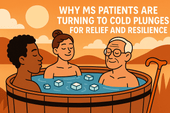
Why MS Patients Are Turning to Cold Plunges for Relief and Resilience
Cold plunges are no longer just for elite athletes and wellness influencers. A growing number of people with multiple sclerosis (MS) are turning to cold water immersion to ease symptoms, build nervous system resilience, and find calm in the chaos of chronic illness. This article explores why—and how—you might want to give it a try.
