
Mindfulness and Meditation for MS: How to Calm the Body and Mind
🧠 Why the Mind-Body Connection Matters in MS
Multiple sclerosis (MS) is more than a neurological disease—it’s a full-body experience that impacts your physical, emotional, and mental well-being. Between flare-ups, chronic fatigue, brain fog, and the stress of living with uncertainty, it’s no wonder many people with MS struggle with anxiety, low mood, and even depression.
This is where mindfulness and meditation come in.
Mindfulness isn’t about pretending everything’s okay. It’s about becoming more aware of your moment-to-moment experience—without judgment. Meditation is the practice that helps you build that skill over time.
When your nervous system is constantly “on alert,” MS symptoms often worsen. Mindfulness and meditation give your body permission to switch from fight-or-flight mode into rest-and-repair. And that shift can make a huge difference in how you feel day to day.
Looking for online therapy? Click here.
🧘What Is Mindfulness?
Mindfulness is simply the practice of paying attention to the present moment, on purpose, and without judgment.
That might sound simple, but for people living with MS, it's incredibly powerful.
Mindfulness helps you:
- Notice symptoms without panicking
- Interrupt anxious or negative thought spirals
- Reduce stress-related inflammation
- Feel more grounded in your body—even on bad days
It's not about denying your experience. It’s about noticing it with curiosity instead of fear.
🧘 What Is Meditation?
Meditation is the intentional practice of training your attention—often by focusing on your breath, body sensations, a sound, or even loving thoughts.
There are many forms of meditation, but most help you:
- Slow down your thoughts
- Calm your nervous system
- Improve mental clarity
- Enhance emotional regulation
It’s like a workout for your mind—and just like with exercise, consistency is key.
🧪 What Science Says: Mindfulness & MS

Research supports mindfulness as a meaningful part of MS care.
📊 A 2010 study in Neurology found:
Patients with MS who practiced mindfulness-based stress reduction (MBSR) reported significantly lower levels of depression, anxiety, and fatigue than those who didn’t.
🧬 A 2022 review in Multiple Sclerosis and Related Disorders concluded:
“Mindfulness-based interventions are associated with improved quality of life, emotional regulation, and reduced perceived stress among individuals with MS.”
🧠 MRI studies have even shown:
Regular meditation can change the structure of your brain—strengthening areas involved in attention, emotion regulation, and pain perception.
In short, mindfulness doesn’t just help you “cope”—it physically changes how your brain and body respond to stress.
🌊 How MS Symptoms Are Linked to Stress
Living with MS means your immune system is already dysregulated. When stress is added to the equation, it often acts as a trigger for flare-ups or worsens existing symptoms like:
- Fatigue
- Muscle tightness or spasms
- Bladder urgency
- Cognitive fog
- Mood swings
Mindfulness helps reduce your stress response by calming the hypothalamic-pituitary-adrenal (HPA) axis, a key driver of cortisol production. This has downstream effects on inflammation and nervous system sensitivity.
🛠️ Benefits of Mindfulness and Meditation for MS
Here’s how building a mindfulness practice can support you—physically, mentally, and emotionally:
| Benefit | How It Helps |
|---|---|
| 🌿 Lowers stress hormones | Less inflammation and flare risk |
| 💤 Improves sleep | Better healing and energy |
| 💪 Increases body awareness | Earlier detection of symptoms |
| 🧘 Reduces muscle tension | Helps with spasticity and pain |
| 🧠 Enhances emotional balance | Less anxiety and depressive thinking |
| 🔄 Encourages acceptance | Reduces inner resistance to symptoms |
🧘6 Mindfulness & Meditation Practices to Try
You don’t need to meditate for hours or sit like a monk. Here are accessible, MS-friendly practices you can start today:
1. Breath Awareness (5–10 Minutes)
Sit or lie down comfortably. Gently bring your focus to your breath—without trying to change it. Notice the inhale and the exhale. When your mind wanders (it will), gently return to your breath.
Why it works: Breath is always in the present moment. It calms the nervous system and quiets overthinking.
Want to try breathwork? Click here.
2. Body Scan Meditation
Lie down and bring gentle awareness to one body part at a time—from head to toe. Notice any tension, numbness, warmth, or discomfort. Don’t judge it. Just observe.
Why it works: Helps you reconnect with your body—even if it's uncomfortable.
3. Loving-Kindness (Metta) Meditation
Sit quietly and silently repeat phrases like:
- “May I be safe.”
- “May I be well.”
- “May I live with ease.”
You can then extend this to others, even loved ones or care providers.
Why it works: Cultivates compassion, softens frustration with your body or illness.
4. Mindful Movement (Yoga or Stretching)

Combine breath with slow, gentle movements. Chair yoga or bed-based stretches work well for MS.
Why it works: Encourages mobility, reduces spasticity, and builds body trust.
5. Mindful Journaling
Before bed, spend 5–10 minutes writing without judgment. What sensations did you notice today? What thoughts repeated? What moments of peace did you feel?
Why it works: Supports emotional clarity and reduces mental clutter.
6. Walking Meditation
If mobility allows, take a short walk focusing on the feeling of your feet on the ground. Notice colors, sounds, and textures around you.
Why it works: Calms anxiety and grounds you in the present.
🕰️ How to Build a Sustainable Practice
Building a habit takes time. MS fatigue, brain fog, or emotional lows can make consistency difficult. Here’s how to make it work with your condition—not against it.
1. Start Small
Even 2 minutes a day is valuable. Don’t let perfection stop you from starting.
2. Pair It With an Existing Routine
Link meditation to something you already do—like brushing your teeth or drinking tea.
3. Use Guided Meditations
Apps like Calm, Insight Timer, Headspace, and free YouTube channels offer gentle, MS-friendly meditations.
4. Give Yourself Permission to Adapt
Can’t sit upright? Lie down. Can’t concentrate? Use music or body-based practices. There is no “wrong” way.
5. Create a Calm Environment
Light a candle, play soft music, or wrap yourself in a blanket. Make your practice space cozy and welcoming.
💬 Real Stories from the MS Community
Angela, 37, RRMS:
“I used to spiral when I felt tingling or fatigue. Now I pause, take a breath, and remind myself: I’ve been here before. That shift changed everything.”
Carlos, 44, SPMS:
“Meditation helped me cope with my grief over lost abilities. I don’t love MS, but I’ve found peace inside myself.”
Mina, 29, PPMS:
“Mindfulness doesn’t fix my symptoms—but it gives me space between them and my reaction. That space is gold.”
⚠️ When Mindfulness Feels Hard
Some days you may feel too anxious, fatigued, or emotionally raw to sit still. That’s okay. Mindfulness isn’t always easy. But even noticing that difficulty is part of the practice.
If mindfulness triggers distress (especially if you’ve experienced trauma), consider working with a therapist trained in trauma-sensitive mindfulness.
📚 Resources to Support Your Practice
Apps:
Insight Timer (Free meditations by health professionals)
Calm (Sleep and stress relief focus)
Balance (Customizable mindfulness coaching)
Books:
Full Catastrophe Living by Jon Kabat-Zinn
The Mindful Path to Self-Compassion by Christopher Germer
Wherever You Go, There You Are by Jon Kabat-Zinn
Podcasts:
The Mindful Minute
Untangle
10% Happier
🌱 Final Thoughts: It’s Not About “Fixing” Yourself
Mindfulness and meditation are not about getting rid of your symptoms or forcing your body to feel better. They’re about building a softer, wiser relationship with your experience—even when it’s uncomfortable.
You are not broken.
You are not failing.
You are living—bravely, fully, honestly—through something hard.
Mindfulness helps you do that with more peace, more grace, and more presence.
You deserve that.
Looking for online therapy? Click here.
Related Posts
-
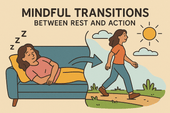
Mindful Transitions Between Rest and Action
Struggling to shift between rest and activity without guilt or overwhelm? This guide offers gentle, mindful strategies to make transitions feel more natural, intentional, and supportive of your nervous system.
-

What to Do If You Feel Emotionally Invalidated by Doctors
Feeling emotionally invalidated by your doctor can be deeply distressing. Learn how to recognize medical gaslighting, validate your own experience, and advocate for better care when you’re not being heard.
-
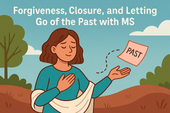
Forgiveness, Closure, and Letting Go of the Past with MS
Living with MS often brings emotional wounds from the past. Learn how forgiveness, closure, and letting go can help you heal emotionally—and reclaim peace in the present.
