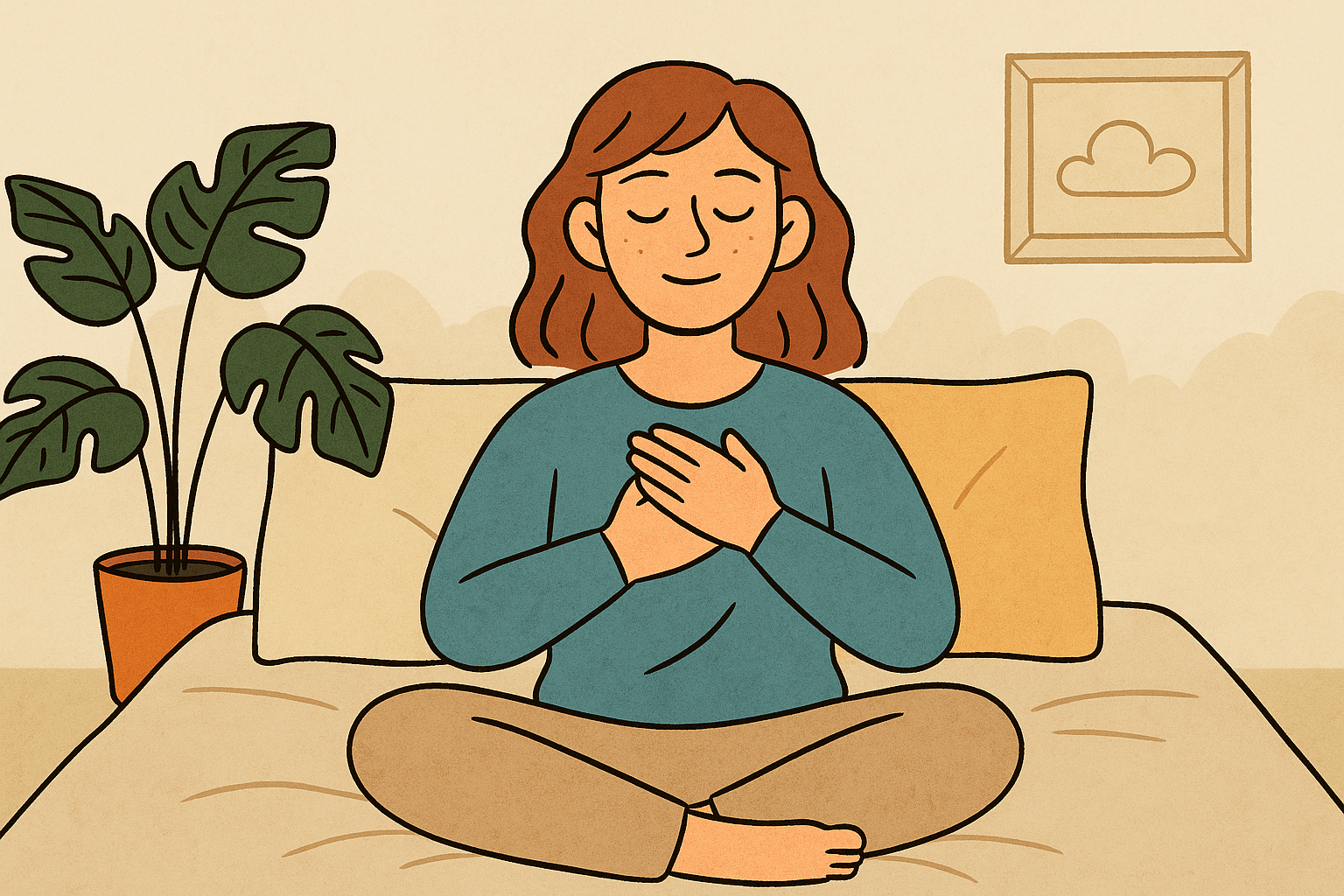
😔 When Your Body No Longer Feels Like Home
For many people living with chronic illness, trauma, or anxiety—especially those with MS—the body can stop feeling like a safe place.
Maybe your symptoms change without warning. Maybe pain shows up unexpectedly. Maybe your body betrayed you once through diagnosis or trauma, and now…you’re never quite at ease.
You might scan for danger constantly—heart rate, breathing, fatigue, tingling. You might dissociate. You might tense up before even knowing why. You might live more in your head than your body.
This isn’t failure. This is a nervous system trying to protect you.
But it comes at a cost: the exhaustion of never truly resting in yourself.
The good news? You can rebuild a sense of internal safety. You can come home to yourself again.
Looking for online therapy? Click here.
🧠 Why We Lose the Feeling of Safety in Our Bodies
Feeling unsafe in your body is common—especially after:
- Chronic pain
- Medical trauma
- Neurological symptoms (like MS flares, dizziness, fatigue, numbness)
- Emotional trauma stored physically
- Hypervigilance from anxiety or PTSD
- Body shame or internalized stigma
- Feeling out of control due to disease or dysregulation
When your body becomes the source of unpredictable sensations, discomfort, or vulnerability, your nervous system can begin to treat it like a threat.
It’s not your fault. It’s your biology doing its best to protect you. But safety is not a luxury—it’s a need.
And rebuilding it is possible.
🛑 Signs You Don’t Feel Safe in Your Body
You might notice:
- Constant muscle tension or jaw clenching
- Difficulty sleeping or relaxing
- Distrust of bodily cues (hunger, pain, fatigue)
- Disconnect from body sensations (numbness, dissociation)
- Panic when physical symptoms appear
- Over-monitoring every sensation
- Feeling “on edge” even at rest
- Avoiding mirrors or touch
You may also alternate between hyperarousal (fight/flight) and hypoarousal (freeze/shutdown).
🧭 Step 1: Understand That Safety is a Felt Sense—Not Just a Thought
You can’t just think your way to feeling safe.
You might tell yourself:
“I’m okay.”
“This isn’t dangerous.”
“I shouldn’t be afraid.”
But your nervous system needs felt experiences of safety—moments when the body registers, “I’m not in danger. I can let go.”
That’s where healing begins.
🪞 Step 2: Validate the Fear, Gently
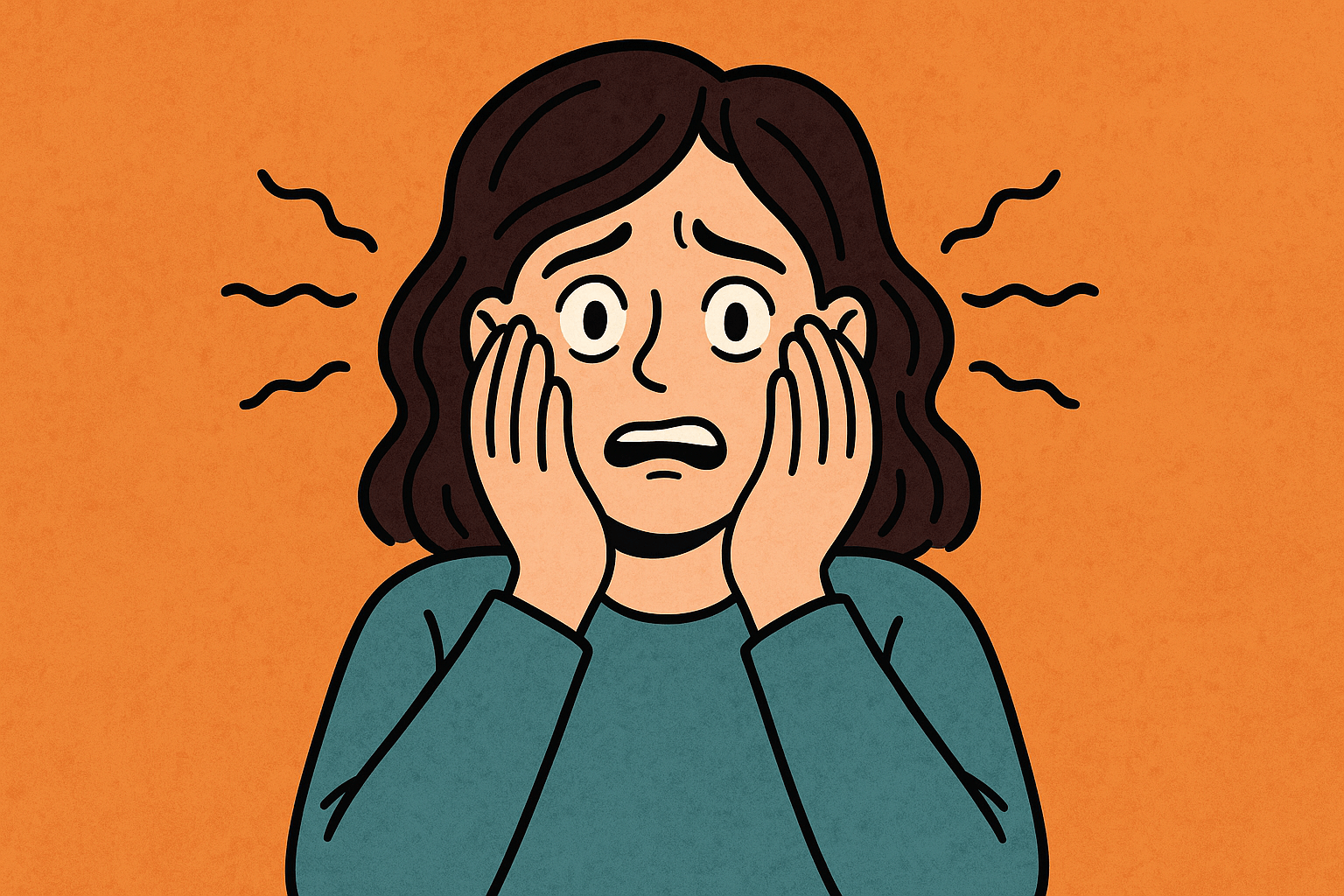
Before you move into the body—you must first honor the fear around it.
Try saying:
“I see why I don’t trust my body. It’s been through so much.”
“Of course I’ve been afraid. That makes sense.”
“I don’t need to force myself. I can go slowly.”
Validation is the doorway to healing. You don’t have to bully yourself back into embodiment.
🧘 Step 3: Use Anchors That Feel Neutral or Good
Many people with trauma or illness can’t start with full body awareness. It’s too overwhelming. So start where the body feels safest.
Try:
- Noticing the feeling of your feet on the floor
- Touching a soft blanket or object
- Placing a hand on your chest or belly
- Splashing cold water on your face
- Rocking gently or swaying
- Listening to music while breathing
You're not trying to analyze the body—you’re simply giving it safe experiences of being in the moment.
🫂 Step 4: Reclaim Touch and Stillness
Touch can be grounding—but for some, it’s a trigger. So go at your pace. Try:
- Rubbing lotion into your skin
- Using weighted blankets
- Placing your hand over your heart
- Practicing slow, gentle self-hugs
- Running warm water over your hands and focusing on sensation
Stillness can also be terrifying if your body has been a place of chaos. So begin with micro-moments of pause. A breath. A yawn. A stretch.
That’s enough.
🌀 Step 5: Move in Ways That Restore Trust
Movement helps the body discharge stress and rebuild connection.
But it doesn't have to be a workout.
Try:
- Rocking side to side
- Gentle yoga or tai chi
- Walking barefoot on grass
- Stretching with music
- Dancing alone, with no performance
Move from curiosity, not control. Ask:
“What does my body want right now?”
“Can I follow my impulses gently?”
This fosters body listening, not just body management.
🧠 Step 6: Talk to Your Nervous System Like It’s a Friend
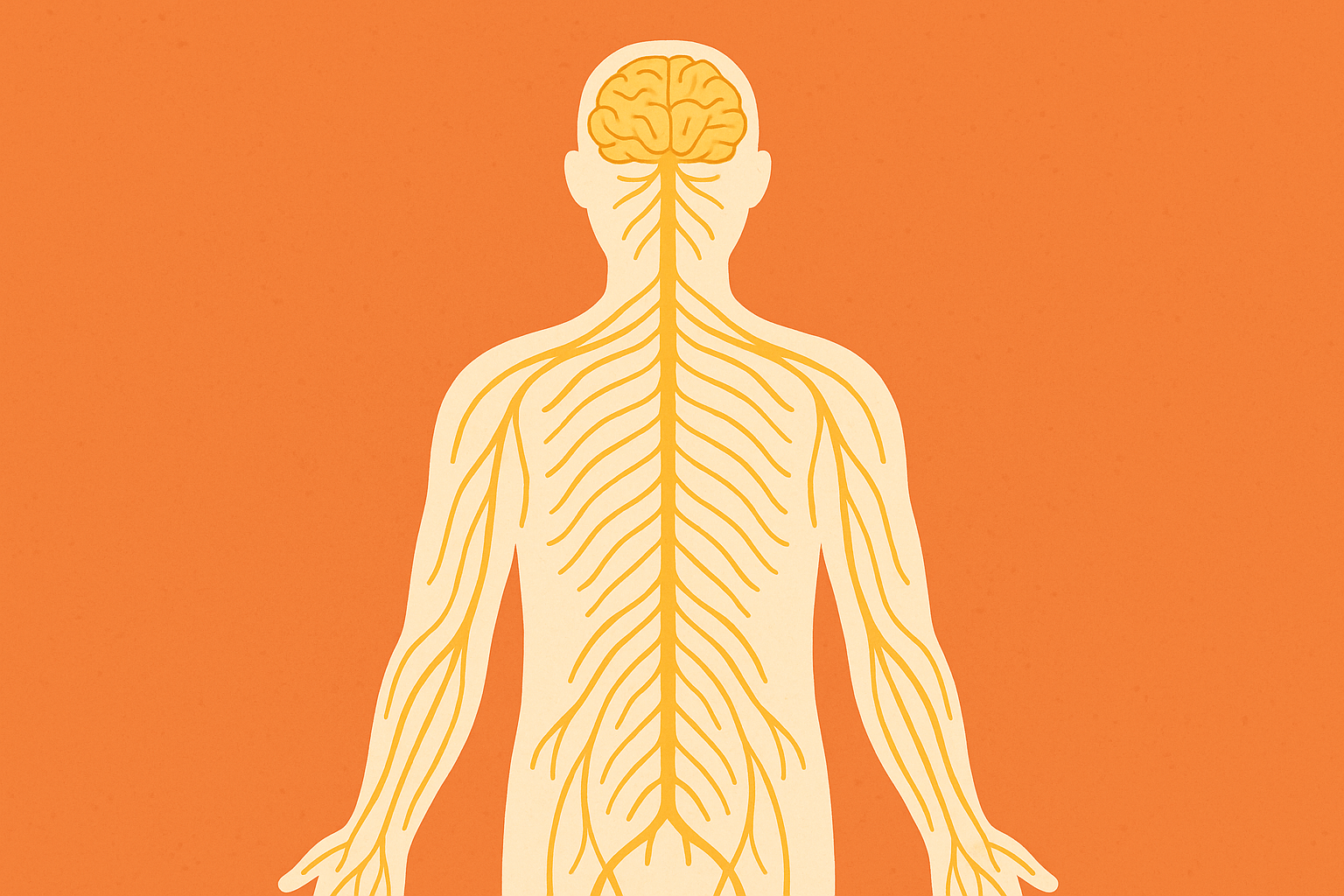
Your nervous system isn’t broken. It’s wise—and often overworked.
When fear arises, speak kindly:
“You’re trying to protect me. Thank you.”
“This sensation is intense, but it’s not dangerous.”
“I’m safe enough right now. You can soften.”
This tone of self-talk creates internal co-regulation—when one part of you comforts another.
Looking for online therapy? Click here.
🌡️ Step 7: Reduce Over-Monitoring of Symptoms
Many people with MS or chronic illness fall into hypervigilance—checking their body all day long.
This makes sense. You’re trying to catch danger before it hits.
But it can create more anxiety than protection.
Strategies:
- Schedule “check-ins” instead of constant scanning
- Redirect your attention to something external (sight, sound, smell)
- Journal symptoms once a day instead of in real time
- Use grounding objects (a ring, a bracelet) to return to the present
Safety grows when we focus less on what’s wrong and more on what’s okay right now.
🫧 Step 8: Reframe What It Means to “Feel”
Feeling safe doesn’t mean “feeling good all the time.” It means:
- You can tolerate what’s present
- You don’t feel overwhelmed by the moment
- You trust that sensations will pass
- You don’t judge yourself for your state
You don’t need to become relaxed 100% of the time. You just need to know how to return to yourself with kindness.
🧠 Step 9: Explore Trauma-Informed Modalities (If Available)
For deeper disconnection, it can help to work with therapists trained in somatic approaches, such as:
- Somatic Experiencing
- Sensorimotor Psychotherapy
- EMDR (Eye Movement Desensitization and Reprocessing)
- Polyvagal-informed therapy
- Body-based trauma work
These modalities respect the body’s story—not just the mind’s.
You deserve support that meets you where you are.
💡 Step 10: Rewrite the Body Narrative
You may have internalized the idea that your body is:
- Defective
- Shameful
- Unreliable
- Unworthy
- Betraying you
Let’s rewrite that:
“My body is doing its best.”
“My body has survived so much.”
“My body is still here, still trying to heal.”
“My body deserves gentleness.”
Even if you don’t fully believe these yet, plant the seeds. Speak them softly and often.
🌿 Final Thoughts: Your Body Is Not the Enemy
Feeling safe in your body again is not about:
- Erasing all symptoms
- Feeling blissfully calm all day
- Ignoring real pain or illness
It’s about shifting from hypervigilance to compassion. From fear to curiosity. From shutdown to connection.
Your body isn’t something you have to conquer—it’s something you can learn to befriend.
And that friendship can start with a breath, a moment, a soft hand on your heart.
No performance. No rush. Just presence.
You deserve to feel safe in your own skin again.
And that journey—however slow—is one of the most radical acts of healing you can choose.
Looking for online therapy? Click here.
📚 References and Resources
Dana, Deb. (2018). The Polyvagal Theory in Therapy: Engaging the Rhythm of Regulation. W. W. Norton & Company.
Levine, Peter A. (2010). In an Unspoken Voice: How the Body Releases Trauma and Restores Goodness. North Atlantic Books.
Ogden, Pat, Minton, K., & Pain, C. (2006). Trauma and the Body: A Sensorimotor Approach to Psychotherapy. W. W. Norton & Company.
Neff, Kristin. (2011). Self-Compassion: The Proven Power of Being Kind to Yourself. William Morrow.
Maté, Gabor. (2022). The Myth of Normal: Trauma, Illness, and Healing in a Toxic Culture. Avery Publishing.
National Multiple Sclerosis Society. (n.d.). Managing Pain and Other Symptoms. Retrieved from https://www.nationalmssociety.org
The Mighty. (n.d.). Real Stories About Feeling Unsafe in Your Body. Retrieved from https://www.themighty.com
Heller, Laurence. (2012). Healing Developmental Trauma: How Early Trauma Affects Self-Regulation, Self-Image, and the Capacity for Relationship. North Atlantic Books.