
Early Signs of Multiple Sclerosis (MS): A Friendly Guide to Spotting the Clues
👋 Introduction: Why Catching MS Early Matters
Multiple Sclerosis (MS) can be tricky—it affects everyone differently. But spotting it early? That can make a huge difference. Early detection means earlier treatment, fewer complications, and a better shot at staying active and independent 💪.
This guide will walk you through the early signs of MS, explain how it’s diagnosed, and share tips for managing symptoms—so you feel informed, supported, and empowered 💙.
🧬 What Is MS (Multiple Sclerosis), Anyway?
MS is a chronic autoimmune condition where your immune system mistakenly attacks the protective layer (myelin) around nerves in the brain and spinal cord. This slows down—or even blocks—messages between your brain and body.
MS doesn’t follow a single path. It can vary widely from person to person. Some may have long periods of remission, while others may experience rapid changes. Understanding the basics of MS helps make sense of its many faces.
🔄 The 4 Types of MS:
- RRMS (Relapsing-Remitting MS): The most common. You get flare-ups (relapses) and periods of improvement (remission).
- PPMS (Primary Progressive MS): Gradual worsening from the start.
- SPMS (Secondary Progressive MS): Starts like RRMS but gradually gets worse.
- PRMS (Progressive-Relapsing MS): Rare. Ongoing progression with occasional flare-ups.
🚨 Why It’s So Important to Spot MS Early
🎯 Early diagnosis = earlier treatment, which can slow down MS and reduce its impact on your life.
🌱 With the right tools—like medication, healthy habits, and emotional support—you can stay ahead of the curve.
📊 Catching MS early helps you avoid complications, make confident decisions, and live life on your terms.
💡 Knowing what to look for allows you to track symptoms more effectively and speak to healthcare professionals with clarity and confidence.
🚦 First Signs: The Common Early Symptoms of MS

👀 Vision Problems
Blurred or double vision, eye pain, or even temporary loss of sight can be one of the first red flags. Often linked to optic neuritis. It may affect one eye at a time and could also cause pain with eye movement.
🧊 Tingling & Numbness
That pins-and-needles feeling in your arms, legs, or face? It’s not just annoying—it could be a signal from your nervous system that something’s up. These sensations often come on suddenly and can last days or weeks.
😴 Fatigue (the MS kind)
This isn’t just being tired. MS fatigue can knock you off your feet, even after a good night’s sleep. It’s described as an overwhelming exhaustion that can interfere with everyday tasks. Heat and stress can make it worse.
💪 Muscle Weakness & Spasms
Feeling wobbly, stiff, or like your legs don’t want to cooperate? Muscle weakness and spasms are common in early MS. You might notice one side of your body feeling different or that your grip is weaker.
🎢 Dizziness & Vertigo
Ever feel like the room is spinning or you’re off-balance? It could be vertigo, a less obvious but very real early symptom of MS. This happens when lesions form in areas of the brain that help control balance.
🚽 Bladder & Bowel Changes
Urgent bathroom trips, constipation, or trouble emptying your bladder might seem random—but they can be signs of nerve issues from MS. Many people feel embarrassed discussing these symptoms, but they're very common.
🧠 Cognitive Confusion (aka Brain Fog)
Trouble concentrating, forgetfulness, or struggling to find the right words? These cognitive shifts might be subtle but are worth noting. They can sneak up slowly, making it hard to recognize right away. Want supplements for people with MS? Click here.
😢 Mood Changes & Depression
Mood swings, anxiety, or unexpected sadness could be more than just life stress—it could be MS affecting your brain’s emotional centers. Depression is more than twice as common in people with MS compared to the general population.
💞 Sexual Dysfunction
Decreased desire, difficulty reaching climax, or erectile dysfunction may be related to nerve damage from MS. Emotional changes and fatigue can also contribute. Want supplements for people with MS? Click here.
🔥 Strange Pains & Sensations
Burning, stabbing, or electric shock-like pain (like Lhermitte’s sign, a zap down the spine when you bend your neck) can signal early nerve trouble. You might also experience tightness or a squeezing sensation (known as the MS hug).
❌ Why MS Symptoms Can Be Misdiagnosed
Because MS symptoms vary and overlap with other conditions like lupus, fibromyalgia, or even vitamin deficiencies, misdiagnoses are common.
Some early signs—like fatigue or muscle weakness—can be attributed to stress, aging, or other illnesses. That’s why clear communication with your doctor and thorough testing are key.
🧪 That’s why getting a proper workup—preferably with a neurologist experienced in MS—is essential.
🧪 How Doctors Diagnose MS

A diagnosis usually involves:
- Neurological exams 🧠: To assess reflexes, coordination, eye movements, and strength
- MRI scans 📸: To detect lesions in the brain or spinal cord
- Spinal tap (lumbar puncture) 💉: To check for abnormal proteins that indicate inflammation
- Evoked potentials: Tests to measure how fast your nerves respond to stimuli
Diagnosis can take time, especially if symptoms come and go. Patience and persistence matter.
📝 What To Do If You Think You Have MS
- Track your symptoms — keep a journal 📓 of what, when, and how you feel.
- See your GP — bring notes and be specific.
- Request a neurologist referral — especially if symptoms persist or escalate.
- Bring someone with you — they can offer support and help you remember what was said.
- Be persistent — don’t be afraid to seek second opinions if you feel dismissed.
🤯 Dealing With Uncertainty Pre-Diagnosis
Waiting for answers is stressful 😓. To help yourself cope:
- Join MS forums and support groups 🧑🤝🧑
- Try meditation or breathing exercises 🧘
- Focus on sleep, hydration, and light exercise
- Avoid excessive Googling—it can fuel anxiety without providing clarity
You’re not alone. Many people go through a long road to diagnosis. Finding community can provide both insight and emotional comfort.
🥦 Early Lifestyle Changes That Can Help
Even before diagnosis, healthy habits make a difference:
- Exercise regularly 🏃 (as tolerated)
- Eat a balanced diet full of veggies and omega-3s 🥗
- Quit smoking 🚭: Smoking may accelerate MS progression
- Boost your vitamin D ☀️: Low levels are linked to higher MS risk (consult your doctor!)
- Reduce stress 🧘: Chronic stress may worsen symptoms Want an online therapist? Click here. Breathwork could also work.
Small steps add up. And building healthy routines now will serve you well, no matter the diagnosis.
💊 Treatment Options for Early MS
If you’re diagnosed early, you have more options:
- Disease-modifying therapies (DMTs) 🧬: Help prevent new lesions and slow progression
- Steroids 💊: Reduce inflammation during relapses
- Symptom management: Medications for fatigue, spasticity, bladder issues, and depression
Early treatment helps preserve function and improve quality of life over the long term. Keep communication open with your care team.
👩Gender & MS: Women vs. Men
MS affects women more than men—about 3 to 1. Hormonal changes (like pregnancy or menopause) may influence symptoms. Women with MS often experience more frequent relapses, but slower progression.
Men may have fewer relapses but often experience more rapid disability progression. Recognizing these trends helps tailor care and support.
📚 Real Stories: What Early MS Feels Like
"I thought I was just stressed and tired all the time. Then my leg started going numb for no reason." – Jamie, diagnosed at 29
"I woke up one day and couldn’t see out of one eye. That’s when I knew something was really wrong." – Chris, diagnosed at 35
"It started with vertigo that wouldn’t go away. After several visits, someone finally mentioned MS." – Priya, diagnosed at 41
These stories highlight the variety of early experiences. Listening to others can help you understand your own journey.
❓ FAQs: Quick Answers About Early MS
Q: What age do MS symptoms usually start? A: Most people notice symptoms between ages 20–40.
Q: Can early symptoms come and go? A: Yes! That’s part of what makes MS tricky. Symptoms may flare up and then disappear.
Q: How long does it take to get diagnosed? A: It can take months to years, depending on symptom clarity, access to specialists, and test results.
Q: Can you prevent MS? A: There's no guaranteed way to prevent MS, but a healthy lifestyle and early treatment can reduce severity.
Q: Is MS fatal? A: No, MS isn’t typically fatal. Most people with MS live long, full lives with proper treatment and care.
✅ Conclusion: Trust Yourself & Take Action
If something feels off in your body—trust that feeling. Early signs of MS may be subtle, but your awareness can be your biggest asset. Advocate for yourself, seek support, and don’t stop asking questions 💬.
MS is a journey, but you don’t have to walk it alone. From your first symptom to your diagnosis and beyond—knowledge is power. You’ve got this 💙
📚 References & Further Reading
- National MS Society: www.nationalmssociety.org
- Multiple Sclerosis Trust: www.mstrust.org.uk
- MS Society UK: www.mssociety.org.uk
- NHS MS Information: www.nhs.uk/conditions/multiple-sclerosis
- Mayo Clinic MS Overview: www.mayoclinic.org
Related Posts
-
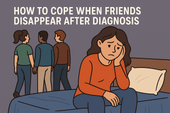
How to Cope When Friends Disappear After Diagnosis
Losing friends after a diagnosis can feel like another kind of grief. Discover why some friends disappear—and how to cope with the emotional fallout while building more supportive relationships.
-
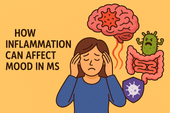
How Inflammation Can Affect Mood in MS
Mood swings and emotional numbness in MS aren’t just psychological—they can be driven by immune system inflammation. This article explores how inflammatory cytokines affect the brain, why mood changes are often biological, and what you can do to calm your nervous system from the inside out.
-

Cold Plunge Therapy: A Hidden Gem for People with MS?
Cold plunge therapy—once the domain of elite athletes and biohackers—is gaining attention among people with multiple sclerosis (MS). Could it help reduce inflammation, calm the nervous system, and ease MS symptoms like fatigue and spasticity? In this article, we dive deep into the science, benefits, safety, and practical application of cold plunges for MS recovery and symptom relief.
