Introduction
Fatigue affects more than 80% of people with MS and isn't just about feeling tired. It can take over your life. In this guide, we're diving into how stimulants might (or might not) help—but we're doing it in a friendly, engaging way with plenty of value ✨
🌟 What Is MS Fatigue, Really?
MS fatigue isn't your everyday tiredness. It's a heavy, unpredictable kind of exhaustion that can hit out of nowhere—even after a full night's sleep.
🔹 Physical vs. Cognitive Fatigue
- Physical fatigue: Your limbs feel like they're weighed down. Tasks like walking or even lifting a mug become difficult.
- Cognitive fatigue: AKA "brain fog." Trouble focusing, thinking, or remembering things? That’s cognitive fatigue in action.
🌚 How It Affects Daily Life
Fatigue can derail work, relationships, and everyday routines. People often need to rethink how they manage their time, energy, and even emotions to adapt.
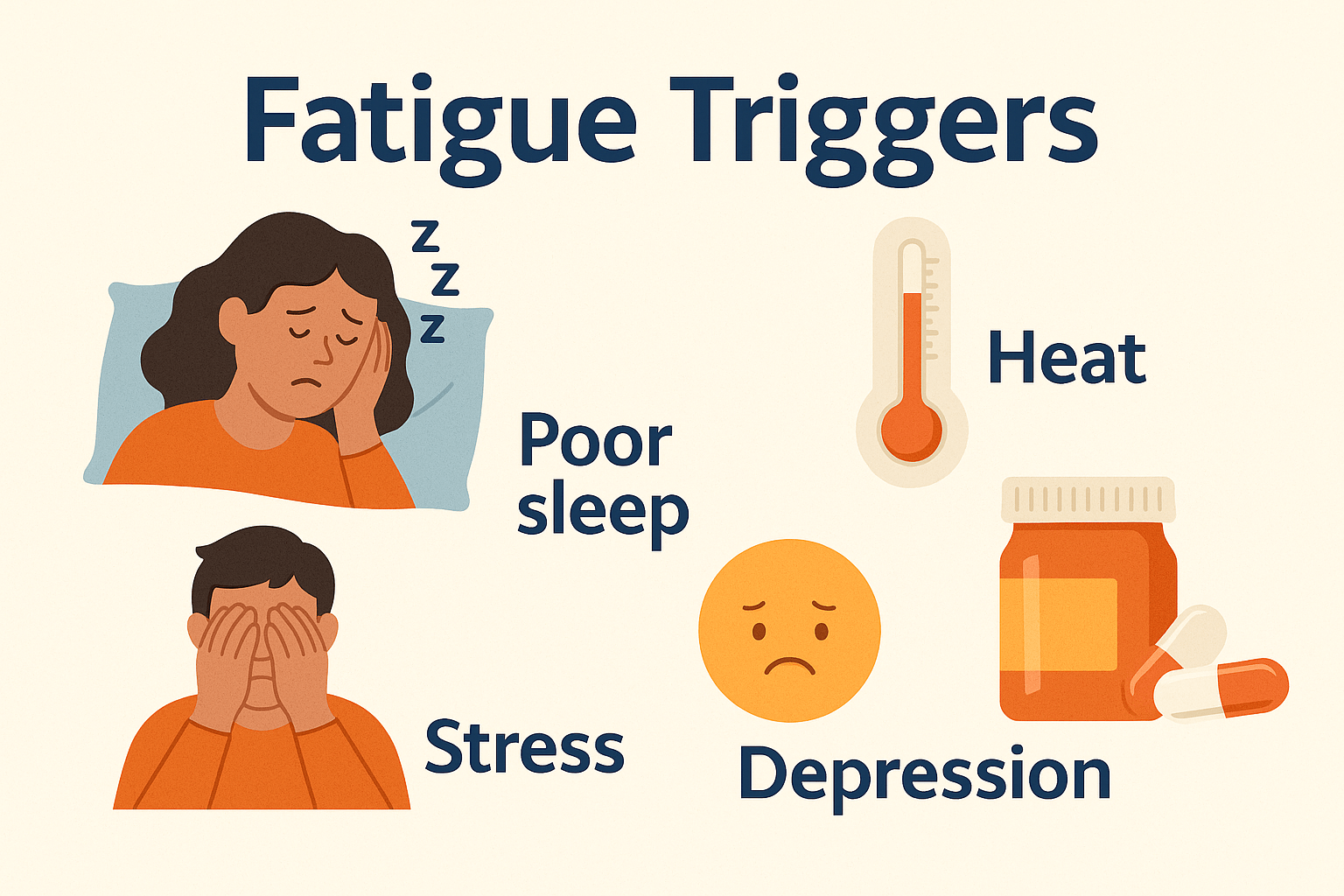
💡 Fatigue Triggers to Watch
- Overexertion (physical or mental)
- Hot temperatures
- Poor sleep hygiene
- High-stress environments
Keeping a fatigue diary can help you identify and avoid common triggers!
🧬 Why Is Fatigue So Common in MS?
- ⚡ Brain changes: Lesions and demyelination make everything more energy-intensive. [1]
- 🤦 Associated issues: Sleep problems, depression, and chronic pain pile on the exhaustion. [2]
- 📈 Meds & other conditions: Some MS meds and issues like thyroid disorders add to fatigue. [3]
🧠 Your Brain on MS
The brain is like a battery. In MS, inflammation and nerve damage force your brain to work overtime just to maintain basic function—draining your energy faster than usual. Want supplements for people with MS? Click here.
📅 Diagnosing MS Fatigue: A Bit Tricky
Doctors use tools like the Fatigue Severity Scale, but your personal experience matters a lot. It can be tough to separate MS fatigue from other types of tiredness, so honest self-reporting is key ✉️ [4]
🧪 Diagnostic Tools & Methods
- Fatigue Severity Scale (FSS)
- Modified Fatigue Impact Scale (MFIS)
- Daily energy logs
🏋️Non-Medical Ways to Fight Fatigue
Before diving into prescriptions, many try:
- 🏋️ Exercise (yep, it helps!) [5]
- 🍽️ A healthy diet & hydration [6]
- 🧸 Energy-conservation tips like pacing activities [7]
- 🪤 Mindfulness and CBT for managing the mental side of fatigue [8]
💪 Bonus Tips That Work
- Start your day with the most demanding tasks
- Take short, scheduled breaks
- Use cooling devices (vests, fans)
- Prioritize rest after physical exertion
⚡ Stimulants: When and Why They’re Used
Stimulants like modafinil or methylphenidate are sometimes prescribed when lifestyle changes aren't enough. They help some people feel more alert and focused—but they’re not magic bullets. [9]
❓ How Do They Work?
They boost chemicals like dopamine and norepinephrine in your brain to help with wakefulness and focus. [10]
📈 Popular Stimulants & What People Say
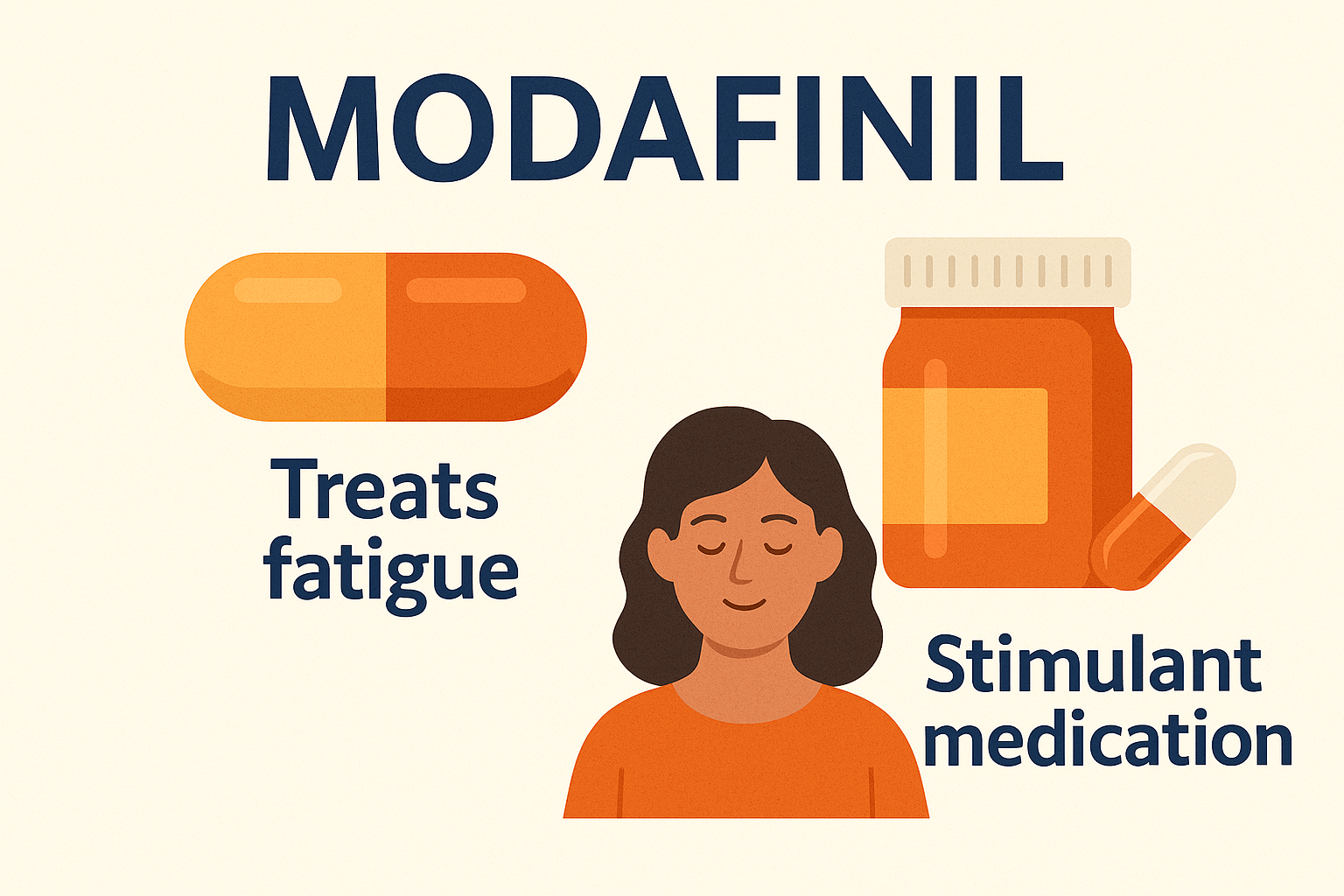
🚀 Modafinil (Provigil) & Armodafinil (Nuvigil)
Some feel more alert; others get side effects like anxiety or headaches. [11]
"Modafinil got me out of zombie mode! I can at least hold a conversation now."
🚪 Methylphenidate (Ritalin)
Great for focus and energy for some—but may trigger anxiety or sleep issues. [12]
"Ritalin gave me a boost but made me jittery. Timing was everything."
📆 Adderall (Amphetamine/Dextroamphetamine)
Popular for ADHD, but may help some with MS fatigue too. Be cautious with timing to avoid sleep disruption. [13]
"Adderall helps me push through workdays—but I skip it on weekends to avoid insomnia."
🧪 Benefits vs. Risks
📆 Possible Benefits:
- More energy and focus
- Better cognitive function
- Improved daily functioning [14]
⚠️ Watch for These Risks:
- Dependency or abuse
- Side effects (e.g., insomnia, fast heart rate)
- Not effective for everyone [15]
🔍 Pro Tips for Safer Use
- Always follow prescribed dosages
- Avoid late-day doses
Monitor your mood and sleep closely
🔧 Combining Treatments for Best Results
Stimulants work best when paired with other strategies:
- 🏋️ Physical therapy. Want to train at home? Click here.
- 🥁 CBT or mindfulness
- 🌊 Good sleep hygiene & tech tools (yes, smartwatches help!) [16]
📋 Create a Personalized Fatigue Plan
- Identify daily fatigue patterns
- Schedule medication around energy peaks and valleys
- Integrate nutrition, movement, and rest
🔮 What Does the Research Say?
🔗 Mixed Results
Studies show conflicting outcomes. Some patients improve, others don’t. [17]
🤝 Real People, Real Stories
Online communities like MyMSTeam are full of experiences—some swear by Ritalin, others had better luck with lifestyle changes. [18]
"Combining yoga, a nap routine, and modafinil finally helped me feel human again."
⛔ Risks & Who Should Avoid Stimulants
- ❌ People with heart issues or anxiety
- ⛓ Those on certain meds
- ⚠️ Children, the elderly, and pregnant individuals need extra caution [19]
🧘 Considerations for Long-Term Use
- Discuss tapering plans with your doctor
- Reevaluate every 6–12 months
- Explore non-pharma options continuously
📅 Holistic Approaches That Help
- 🥗 Eat balanced meals & stay hydrated
- ☕ Limit caffeine & alcohol
- 🙏 Practice mindfulness or yoga
- 📲 Use fatigue-tracking apps [20]
🌈 Integrate Wellness, Don’t Replace Treatment
Think of these tools as amplifiers, not substitutes. Use them to enhance your body's resilience and support mental clarity.
📖 Final Thoughts
Stimulants can be part of the fatigue-fighting toolkit—but they’re not a cure-all. The best approach is a personalized plan that blends medical treatments with healthy lifestyle choices and emotional support. ✨
Stay curious, stay supported, and don’t be afraid to ask your doctor questions! ❤️
🧐 FAQs
1. Can stimulants completely eliminate MS fatigue? Not usually. They can help manage symptoms but won't cure fatigue.
2. What’s the safest stimulant to try? Modafinil has fewer dependency risks, but always check with your doctor.
3. Can lifestyle changes help too? Absolutely! Diet, exercise, sleep, and stress management are key.
4. How long until I notice effects? Some people feel results within days; others may need adjustments over weeks.
5. Are there natural alternatives? Mindfulness, physical therapy, and certain supplements may support energy levels—but consult your provider first.
📚 References
- National Multiple Sclerosis Society. "Fatigue." https://www.nationalmssociety.org/Symptoms-Diagnosis/MS-Symptoms/Fatigue
- Multiple Sclerosis Trust. "Managing Fatigue."
- Mayo Clinic. "Fatigue Causes."
- Krupp LB, et al. "Fatigue in multiple sclerosis." Arch Neurol. 1988.
- Dalgas U, et al. "Exercise and fatigue in MS." Mult Scler. 2008.
- Wahls T, et al. "Dietary interventions in MS." Front Neurol. 2017.
- MS Society UK. "Energy conservation techniques."
- Bogosian A, et al. "CBT for MS fatigue." J Psychosom Res. 2015.
- Bamer AM, et al. "Stimulant use in MS fatigue." Rehabil Psychol. 2008.
- Minzenberg MJ, Carter CS. "Modafinil: A review." Neuropsychopharmacology. 2008.
- MS Journal. "Modafinil for MS fatigue: patient outcomes."
- Rammohan KW, et al. "Methylphenidate in MS fatigue." Neurology. 2002.
- MS Research Australia. "Adderall and MS."
- Lange R, et al. "Stimulants in neurological conditions."
- U.S. FDA Drug Safety. "Stimulant medication warnings."
- Everyday Health. "Managing MS fatigue with tech."
- Hughes AJ, et al. "Meta-analysis of stimulants in MS fatigue." Mult Scler Relat Disord. 2018.
- MyMSTeam user experiences. https://www.mymsteam.com
- Drug Enforcement Administration (DEA). "Controlled substances schedules."
- WebMD. "Tracking fatigue in chronic illness."