
Breathwork and Cold Therapy: A Powerful Duo for MS Recovery and Stress
❄️ Introduction: Why MS Needs a New Approach to Recovery
Living with Multiple Sclerosis (MS) often means navigating physical symptoms and mental stress every day. Beyond medication, many people with MS are turning to natural, nervous system-based interventions to enhance resilience, regulate stress, and promote healing.
Two of the most powerful tools?
➡️ Breathwork
➡️ Cold therapy (also known as cold exposure or cold immersion)
Separately, these practices already show promise for reducing inflammation, improving mood, and calming the nervous system. But together? They create a dynamic synergy that can help people with MS feel more in control of their symptoms and emotions.
Want to try Breathwork? Click here.
🧠 The MS Nervous System: Always “On Alert”

MS is a disease of the central nervous system. The body’s immune system attacks the protective coating (myelin) on nerves, causing misfiring signals between the brain and body.
But the secondary toll—on your emotional, hormonal, and stress-regulating systems—is often just as challenging:
- Chronic stress and cortisol overload
- Fatigue and burnout
- Overactive sympathetic nervous system ("fight or flight")
- Emotional dysregulation or panic
- Reduced immune tolerance
- Poor vagal tone (difficulty returning to calm)
What MS really needs isn’t just symptom management—it’s nervous system regulation. That’s where breathwork and cold therapy step in.
🌬️ Breathwork: Your Internal Switch to Calm
Breathwork refers to intentional, controlled breathing techniques that can influence physical, emotional, and neurological states. Unlike medications, breathwork is always available—and often surprisingly effective at restoring a sense of internal balance.
How Breathwork Helps MS:
✅ Activates the parasympathetic nervous system
✅ Stimulates the vagus nerve (critical for inflammation control)
✅ Improves oxygen delivery to fatigued muscles and brain
✅ Lowers heart rate and blood pressure
✅ Reduces anxiety and overwhelm
✅ Improves sleep and recovery
Common Breathwork Techniques for MS Recovery:
Box Breathing (4-4-4-4)
Perfect for stress regulation and re-centering the mind.
Diaphragmatic Breathing
Supports full oxygen exchange and reduces shallow “stress” breathing.
4-7-8 Breath
Relaxes the body before sleep or after overstimulation.
Wim Hof-Style Breathing
Used in preparation for cold exposure. Involves fast, deep breathing followed by breath holds. Must be done carefully and never in water.
Want to try Breathwork? Click here.
❄️ Cold Therapy: Shocking the System—In a Good Way

Cold therapy (also called cold exposure or cryotherapy) involves brief exposure to cold temperatures, such as:
Cold showers 🚿
Ice baths 🧊
Cold plunges
Cryo chambers
Though it might sound extreme, short-term cold stress is actually beneficial. When done intentionally and safely, it helps the nervous system become more adaptive, resilient, and anti-inflammatory—exactly what people with MS need.
Want to try Cold Therapy? Click here.
Cold Exposure Benefits for MS:
✅ Reduces systemic inflammation
✅ Trains the nervous system to respond, then recover
✅ Increases dopamine and norepinephrine (improves mood, energy)
✅ Enhances circulation and blood flow
✅ Boosts mitochondrial function (cell energy!)
✅ Helps reduce MS-related heat intolerance through temperature adaptation
Note: Cold therapy is not about suffering. It’s about controlled exposure followed by deep recovery.
🧬 How Cold Therapy and Breathwork Work Together
Cold therapy activates the sympathetic nervous system (fight or flight)—but paired with breathwork, it teaches your body how to return to calm.
This creates a resilience training loop:
❄️ Cold triggers a stress response
🌬️ Breath brings the body back to calm
🔁 Repeat over time = stronger, more flexible nervous system
It’s like giving your brain and body a safe, repeatable workout—building tolerance to stress, discomfort, and pain.
This is especially important for people with MS, who often experience:
- Heightened sensitivity to stress
- Panic attacks or emotional flares
- Muscle fatigue and cognitive shutdown
- A sense of being “out of control”
By learning how to intentionally move between stress and calm, you teach your nervous system that it’s safe to relax, even when life feels uncertain.
🧪 What the Science Says
Here’s what the research shows:
- Breathwork improves heart rate variability (HRV), a key marker of nervous system flexibility.
- Cold exposure has been shown to lower inflammatory cytokines (IL-6, TNF-alpha) and increase adaptive immunity.
- The Wim Hof Method, which combines cold therapy and breathing, was shown in a 2014 study to enhance immune response and reduce symptoms of endotoxin exposure.
While not specific to MS, these findings support the idea that nervous system adaptation through breath + cold may be a powerful therapeutic approach.
💡 How to Get Started: Breath + Cold Routine for MS
⚠️ Safety First:
- Talk to your doctor if you have cardiovascular issues, Raynaud’s disease, or severe MS-related complications.
- Never do breath holds near water.
- Start small. Gradual exposure is key.
Step-by-Step Routine:
Morning Breath Primer (5 minutes)
Start your day with slow nasal breathing or box breathing. Helps set the tone and lower cortisol.
Cold Shower Starter (30–60 seconds)
End your regular shower with a blast of cold water. Focus on your breath. Don’t tense—breathe through it.
Wim Hof-Style Breathing + Cold Plunge (Optional)
Advanced users can try deep breathing before entering an ice bath or cold plunge. This primes the body and trains calm under pressure.
Post-Exposure Recovery (5–10 minutes)
Warm up, relax, journal, or stretch. The afterglow is just as important as the cold itself.
Evening Breathing (4-7-8)
Wind down with gentle breathwork to signal your body it's time for rest.
🧘 Real-Life Adaptations for MS
| MS Symptom | Breath + Cold Adaptation |
|---|---|
| Heat intolerance | Use cold towels or partial cold immersion (arms, legs) |
| Fatigue | Keep sessions short—cold exposure under 1 min, light breathwork only |
| Sensory overload | Use guided breath meditations with soft background music |
| Breathlessness | Avoid rapid breathing; use gentle nasal techniques |
| Emotional instability | Anchor breath to safe words: "I am calm. I am safe." |
The key is gentle consistency—not pushing your limits but teaching your nervous system to trust you again.
🌟 Emotional and Mental Benefits of the Duo

People with MS often describe feeling “trapped” in their bodies—like they’re watching life happen from the outside. Breathwork and cold therapy help break that loop by reestablishing a deep mind-body connection.
Reported benefits include:
- Increased sense of empowerment
- Reduced anxiety and panic
- Decreased MS brain fog
- More restful sleep
- Better pain tolerance
- Enhanced mood and emotional regulation
“Cold showers felt impossible at first. But after 2 weeks, I found I could stay calm in situations that used to trigger my MS fatigue.”
— Maya, 35, RRMS
“Breathwork made me feel like I had control again. The cold taught me I could handle discomfort without shutting down.”
— James, 42, SPMS
🧩 Tools to Support Your Practice
Apps: Breathwrk, Othership, Insight Timer, Wim Hof
Tools: Cold plunge tub, shower timer, yoga mat, breathwork journal
Wearables: WHOOP or Oura for tracking HRV, recovery, and temperature
You don’t need fancy tools to start—your body is the only technology required.
🔁 Make It a Habit: Weekly Schedule for MS-Friendly Cold + Breath
| Day | Practice |
|---|---|
| Mon | Box Breathing + 30-sec cold shower |
| Tue | Wim Hof breathing + legs in cold tub |
| Wed | Restorative breathwork only |
| Thu | Cold rinse + 4-7-8 before bed |
| Fri | Full-body cold + breath hold (advanced) |
| Sat | Nature walk with mindful nasal breathing |
| Sun | Breath meditation + gratitude journaling |
✨ Final Words: Reclaiming Power Through the Breath
When you live with MS, you might feel at war with your body.
But what if the path forward isn't through fighting—but through retraining?
Breathwork and cold exposure aren’t about pain. They’re about power.
The power to pause. To regulate. To choose your response. To create a sense of calm—even in the chaos.
Start with one breath.
One cold splash.
One moment of courage.
From there, healing begins—not because MS is gone, but because you are no longer at the mercy of stress.
Want to try Breathwork? Click here.
Related Posts
-
MS and the Fear of Emotional Abandonment
The fear of emotional abandonment is common for people with MS. This article explores why it happens, how it impacts your relationships, and how to create emotional safety and healing.
-
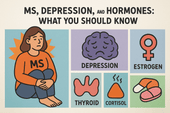
MS, Depression, and Hormones: What You Should Know
MS-related depression isn’t always just emotional—it can be hormonal. Discover how thyroid, sex, and stress hormones influence mood in MS, why women may feel worse during PMS or menopause, and what signs to look for when hormones may be driving emotional instability.
-
Recognizing Depression in MS: It's Not Just Sadness
Depression in multiple sclerosis (MS) is more than just sadness—it can be a neurological symptom, a side effect of inflammation, or a silent weight that masks itself as fatigue or emotional numbness. This article helps you recognize the hidden signs of MS-related depression, understand the science behind it, and explore real treatment options that support both mental and physical health.
